
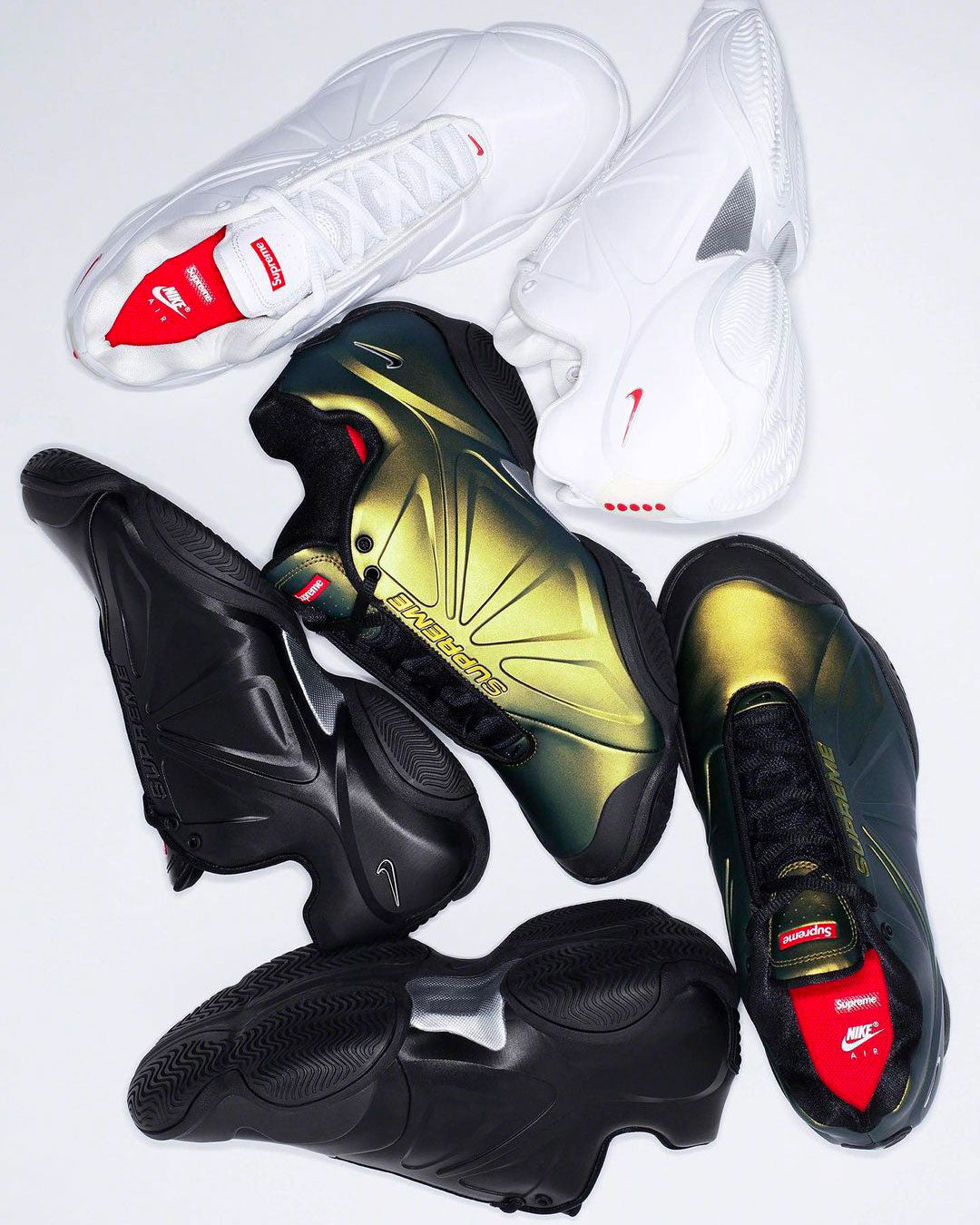
How to clean your sneakers without damaging them?
A pair of sneakers cannot be cleaned like city leather shoes. They combine materials that do not react in the same way: leather on the upper, canvas on the sides, rubber on the sole, and sometimes suede on the overlays. What restores shine to one material damages another. We clean pairs all year round before putting them back on the shelves, and we have ended up distilling all of this into a single method and a few simple rules for each material.
To remember in 30 seconds
· Always dry-brush before getting them wet. Dry dirt comes off in seconds; once soaked, it embeds itself in the fiber.
· The brush is damp, never the shoe. Do not soak a pair of sneakers.
· Laces and insoles should be removed and washed separately, in warmer water than the rest.
· Suede and nubuck should be worked on dry first, using an eraser. Water leaves permanent marks on them.
· Air-dry in the shade for at least 12 hours. Never use a radiator or a tumble dryer.
The equipment you need
· Three brushes: a soft-bristle brush for the upper, a medium-bristle brush for the soles, and a soft toothbrush for the seams and the area around the sole.
· A specific sneaker cleaning solution, or alternatively mild soap diluted in lukewarm water, and two microfiber cloths.
· Paper towels to stuff the inside while drying, plus an eraser and a horsehair brush if you have suede or nubuck.
Everything we use in our stockroom can be found in our care products and laces section.
The basic method, step by step
This method applies to the vast majority of pairs, whether leather, canvas, mesh, or synthetic materials. Plan for 20 minutes of work and a night of drying.
1. Remove the laces and insoles, then set them aside.
2. Dry-brush the pair, including the soles, to remove dust and dirt.
3. Prepare your solution in a bowl of lukewarm water, around 30°C, then dip the brush and shake off the excess.
4. Work in small areas using circular motions, starting with the soles and finishing with the upper. Keep the clean part for the end, otherwise the dirt from the soles will transfer to the top.
5. Wipe with a damp cloth as you go, without letting the foam dry on the surface.
6. Use the toothbrush on the seams and the edge between the upper and the sole, the area where dirt accumulates the most.
7. Stuff the inside with paper towels, which absorb moisture and maintain the shape.
8. Leave to air-dry in the shade for at least 12 hours, then re-lace the pair once completely dry.
Cleaning by material
Look at your pair before starting and identify the materials it is made of. A single pair often combines three.
|
Material |
What works |
To be avoided at all costs |
|
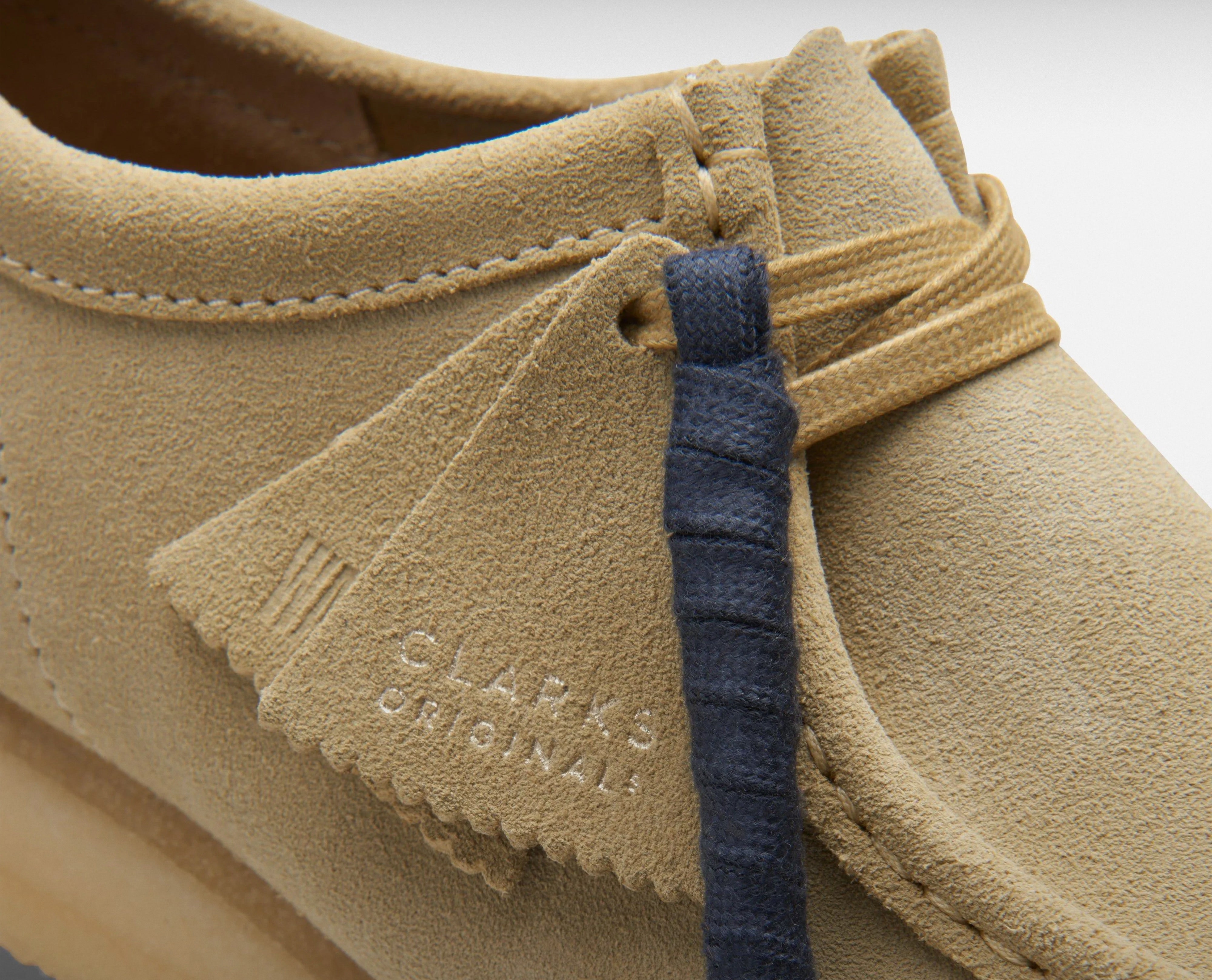
Smooth leather |
Damp cloth, mild soap, quick drying followed by a nourishing lotion |
Soaking, scrubbing hard, drying near a heat source |
|
Canvas and cotton |
Soft brush and foaming solution; the material handles scrubbing well |
Bleach, which yellows white cotton in a few weeks |
|
Suede and nubuck |
Dry eraser then horsehair brush to lift the nap |
Water and any liquid product as a first resort |
|
Mesh and technical textile |
Very soft-bristle brush, little water, dabbing |
Scrubbing; the mesh distorts and loosens |
|
Rubber soles |
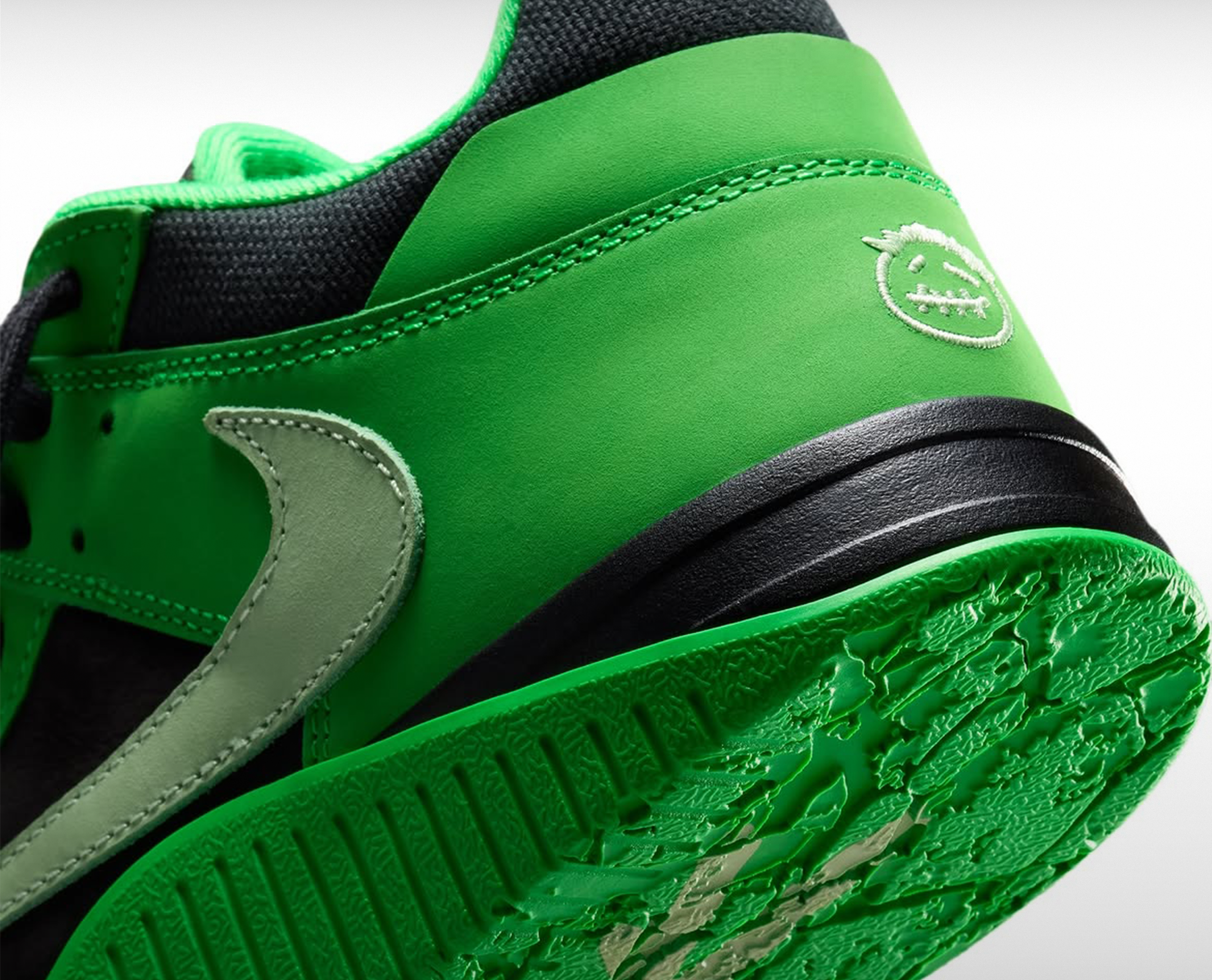
Medium-bristle brush and magic eraser for black marks |
Wire brushes, which scratch permanently |
The case of leather
Leather fears stagnant water and heat. Work with a barely damp cloth rather than a brush, dry immediately afterward, then nourish the material once the pair is dry to prevent cracking. Leather sneakers that have been rained on should dry at room temperature with paper inside, never on a radiator.
The case of suede and nubuck
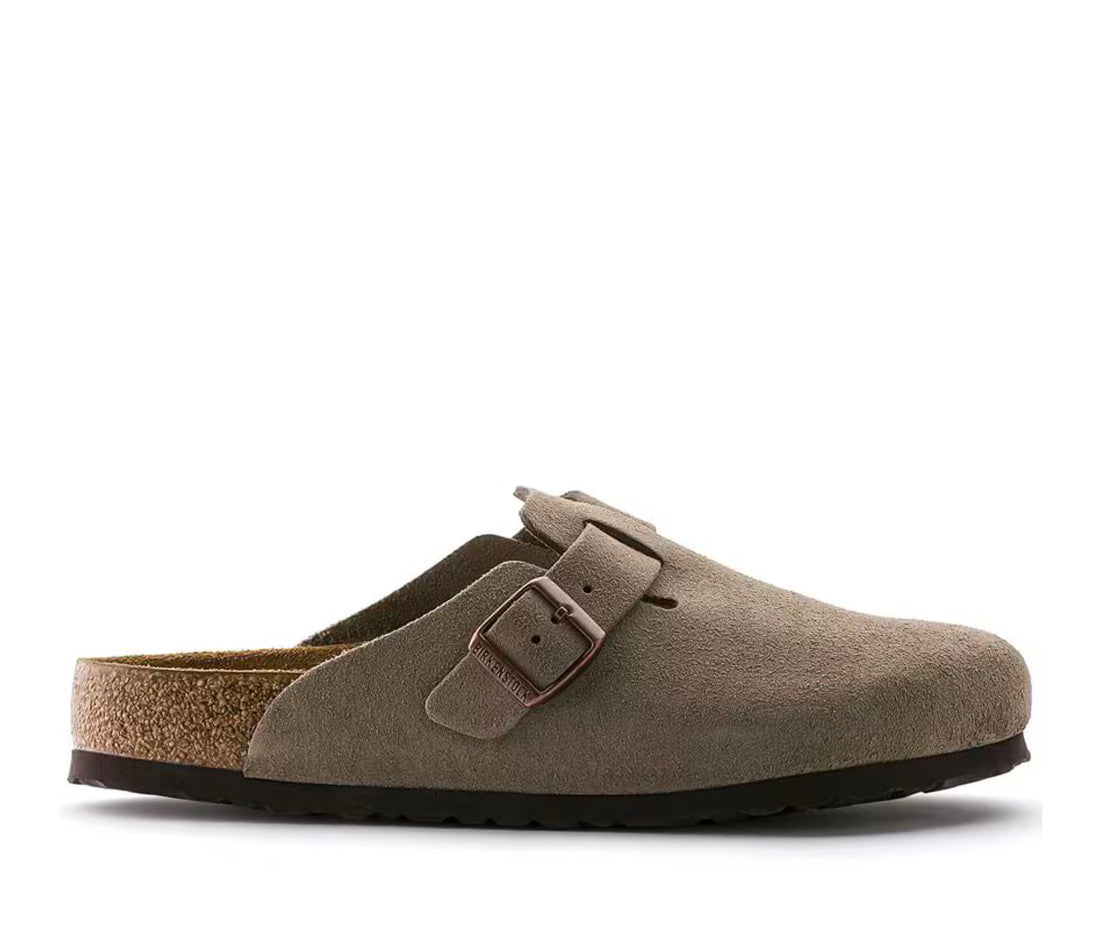
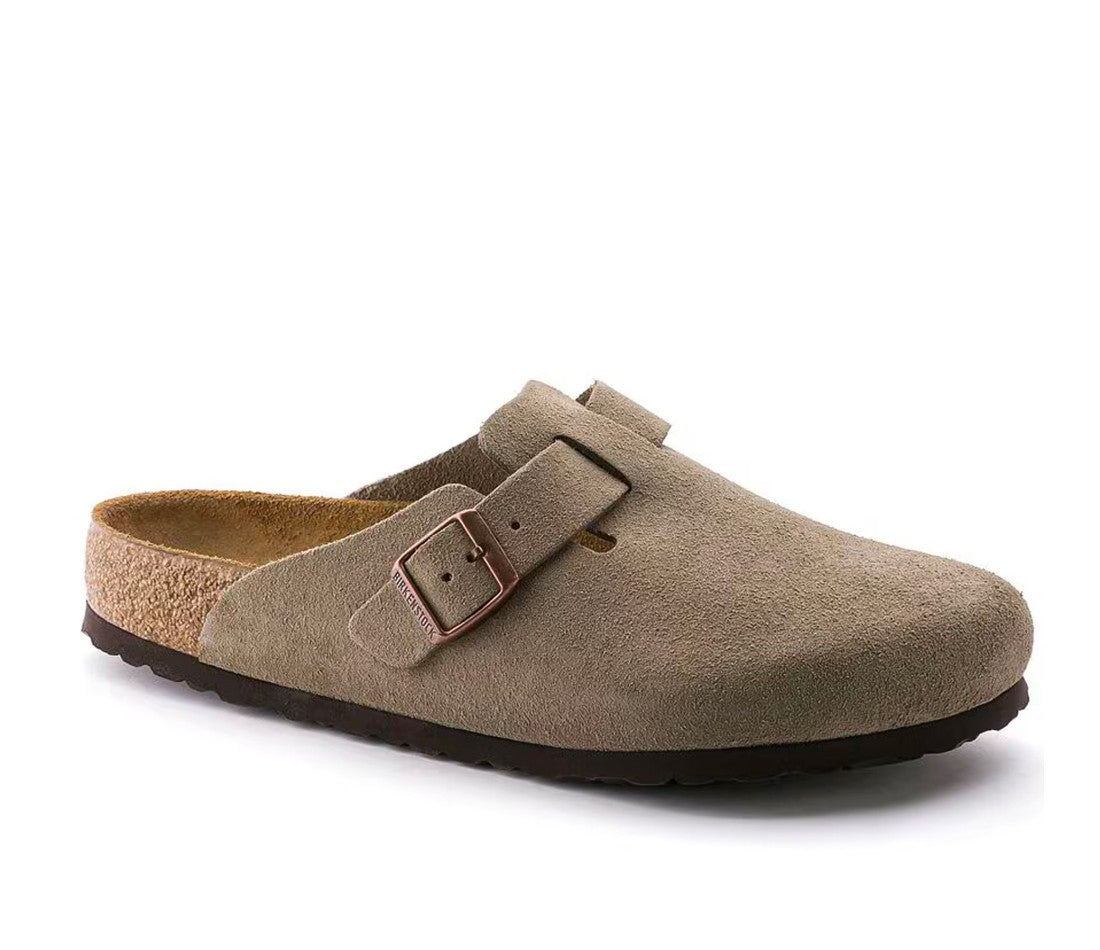
These two materials are sanded leathers with a surface made of raised fibers. Using water on them mats them down and leaves a halo that nothing can fix. Therefore, always start dry, using the eraser on the stain, then the horsehair brush in one direction to lift the nap. Our dedicated guide to cleaning suede sneakers details tougher cases, and the one for cleaning UGGs addresses sheepskin, which follows the same rules.
The case of white sneakers
On a white pair, it is the contact areas that give you away: the edge of the sole and the area around the eyelets. Focus on these two spots with a toothbrush and wipe immediately, otherwise the loosened dirt will redeposit onto the canvas. The article on white Converse covers the method for restoring whiteness to canvas that has turned gray, and the one on Birkenstock covers cork and footbeds.
Parts that are washed separately
Laces and insoles are removable, so they can withstand stronger treatment than the shoe, with no glue or assembly to worry about. Soak them together in a bowl of hot soapy water for 30 minutes, scrub, rinse with clean water, and then lay them flat to dry. Putting an insole back into a shoe while it's still damp creates exactly the problem we detail in our article on shoe odor.
Removing common stains
· Mud: let dry completely, brush off, then clean as normal.
· Grass: dab with half-diluted white vinegar, then rinse with a damp cloth.
· Grease: sprinkle with talcum powder or Terre de Sommières, let sit for 2 hours, and brush off.
· Black scuffs on the sole: use a slightly damp magic eraser, rubbing gently.
· Winter salt: dab with lukewarm water mixed with a little white vinegar.
Washing machines, in which cases
Machine washing is still possible for canvas and certain synthetic materials, but never for leather or suede. You must remove the laces, place the pair in a mesh bag, choose a delicate cycle at 30°C, and turn off the spin cycle. We detail the settings and affected models in our guide on machine washing sneakers, and the special case of Converse in Converse in the washing machine.
What damages a pair
Bad habits when cleaning sneakers and trainers cause more damage than a season of wear. The most common ones boil down to five points.
· Tumble dryers and radiators: heat softens the glue on the sole and causes the trim to peel.
· Bleach: it whitens temporarily, but then the cotton yellows and the fiber becomes brittle.
· Dish soap and regular laundry detergent: they are too alkaline and dry out leather over time.
· Direct sunlight during drying: this yellows the rubber on white soles.
· Scrubbing a fresh stain: this spreads it and forces it into the material instead of removing it.
How often should you maintain your sneakers
One full cleaning per month is sufficient for a pair worn regularly, provided you remove fresh stains as they happen. Waiting until the pair is visibly dirty makes the work long and the result average, whereas spending 5 minutes on a daily smudge requires almost no effort. The schedule also depends on the materials. White canvas requires maintenance every two weeks, dark leather lasts six weeks without issues, and suede should be dry-brushed after every wet outing but only deep-cleaned two or three times a year. Rotating between two pairs instead of one significantly extends their lifespan, and it is the best step you can take to protect your favorite pairs.
Frequently asked questions
How do I clean white sneakers?
Dry brush first, then use a foaming solution with a soft brush, focusing on the sole edge and the area around the eyelets. Wipe as you go and dry in the shade; direct sunlight yellows white rubber.
Can I clean my sneakers with baking soda?
On white canvas, yes, as a paste with a little water for a localized stain. On smooth leather or printed mesh, no, the abrasion removes the finish.
How do I clean suede sneakers?
Dry first, using an eraser on the stain and a horsehair brush in one direction only. Use a liquid product only as a last resort, over the entire surface in one go to avoid water rings.
How do I wash sneakers by hand?
Using a damp brush and diluted mild soap, in small areas, without ever soaking the shoe. Laces and insoles should be washed separately in a bowl of hot water.
How do I clean fabric sneakers?
Canvas and cotton can handle scrubbing, so a soft brush and a foaming solution are enough. Mesh should be dabbed rather than scrubbed, otherwise the knit will lose its shape.
Does white vinegar clean sneakers?
Diluted by half, it works well on grass stains and winter salt marks. It does not whiten and is of no use for ordinary dirt.
How do I remove bad odors from a pair?
By removing the insoles and washing them separately, then letting the pair dry completely. Bad odors almost always come from moisture that hasn't had time to evaporate.
How do I make worn sports shoes look new again?
Full cleaning, new laces, and clean insoles. Changing the laces is the one thing that changes the look of a pair of shoes the most for just a few euros, and it helps extend their lifespan.
Take out the pair you wear the most and dry-brush them this evening; you will see the difference before you've even dampened anything. For everything else, our guides on cleaning sneakers and trainers material by material are linked throughout this article, and brushes, sprays, and replacement laces are in our care section.
Bestsellers