




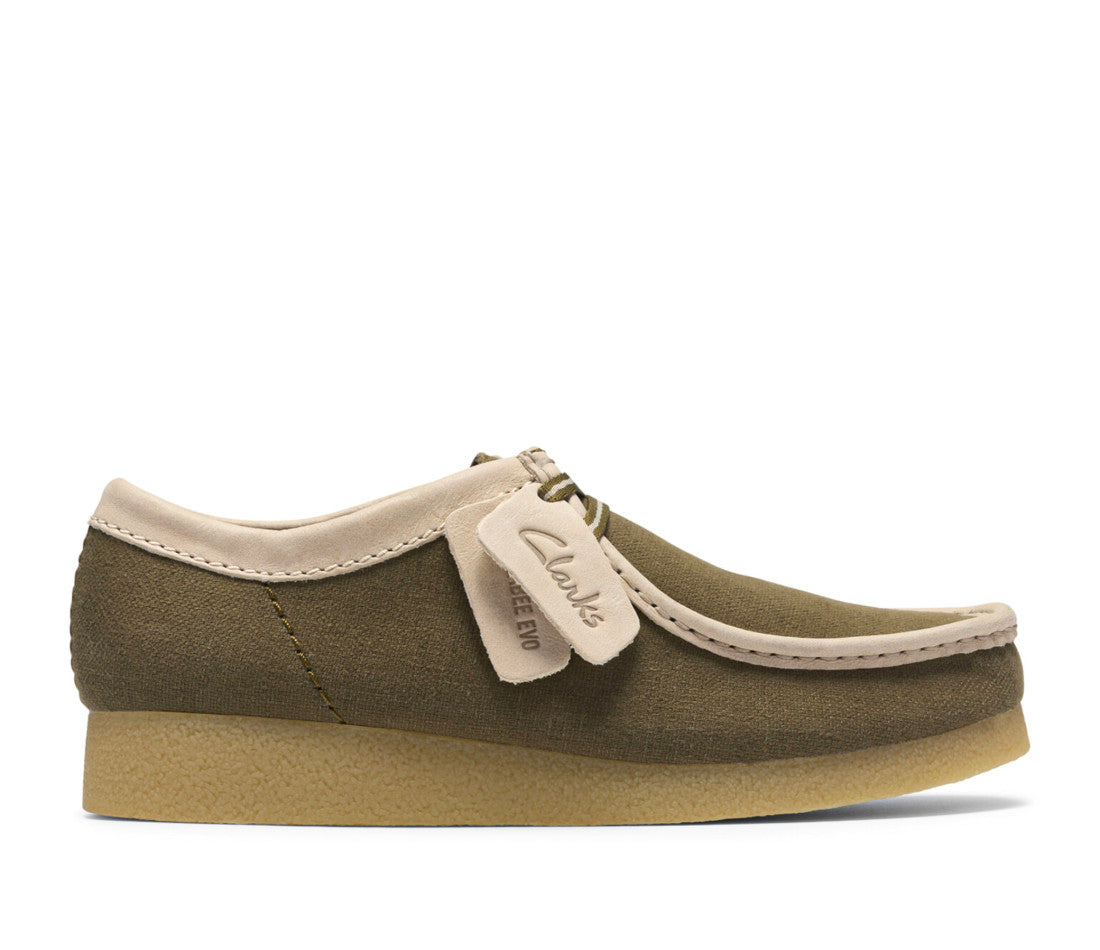
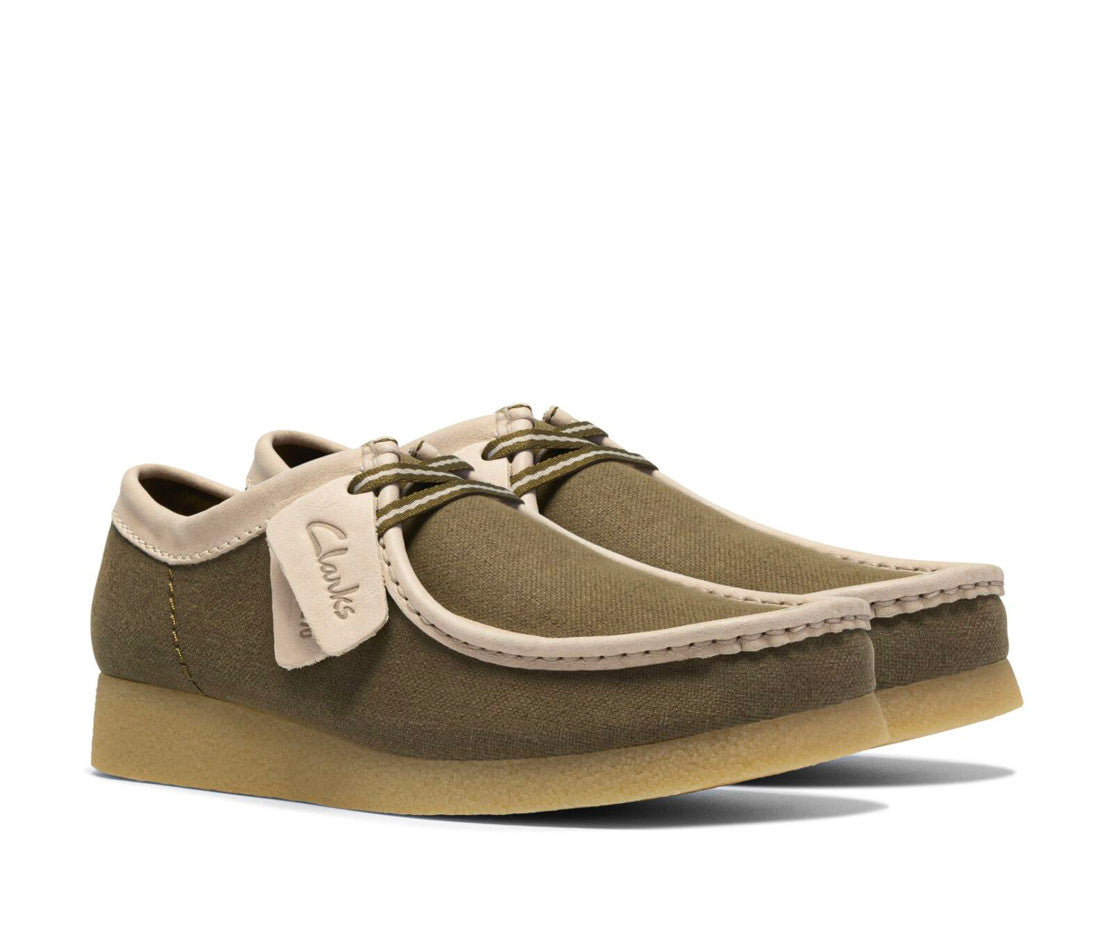
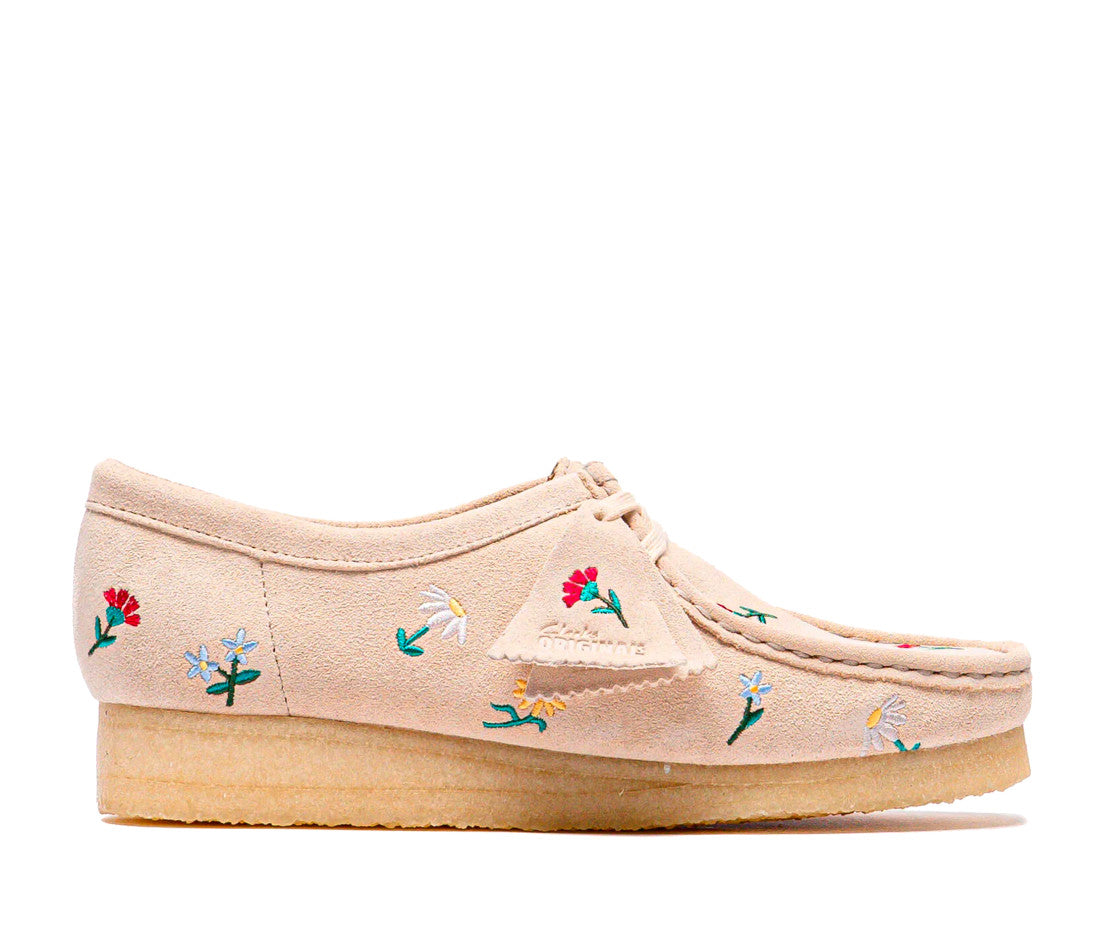
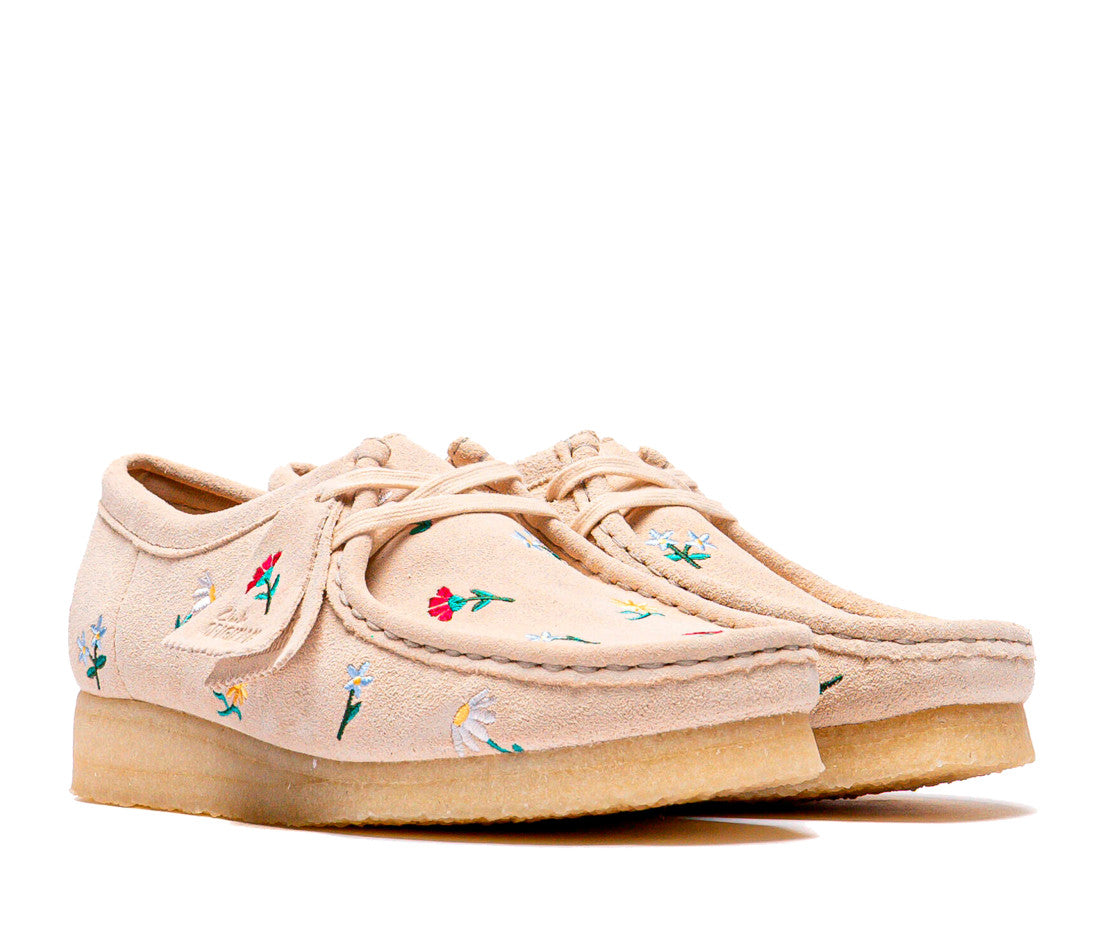




Clarks Wallabee
The Clarks Wallabee is one of the most photographed shoes in streetwear history, yet it was never designed for that. Born in England in the 1960s, this crepe-soled suede boot has gone through six decades while remaining true to itself: understated, solid, and instantly recognizable. On thelaststep.fr, find available pairs, authenticated and shipped from our stores in France.
Clarks and the Wallabee: Sixty Years Without Aging
Clarks has been around since 1825. The shoemaking company founded by Cyrus and James Clark in Street, Somerset, first built its reputation on comfortable and durable shoes for English families. No fashion, no trend effect—a manufacturing philosophy that has spanned two centuries.
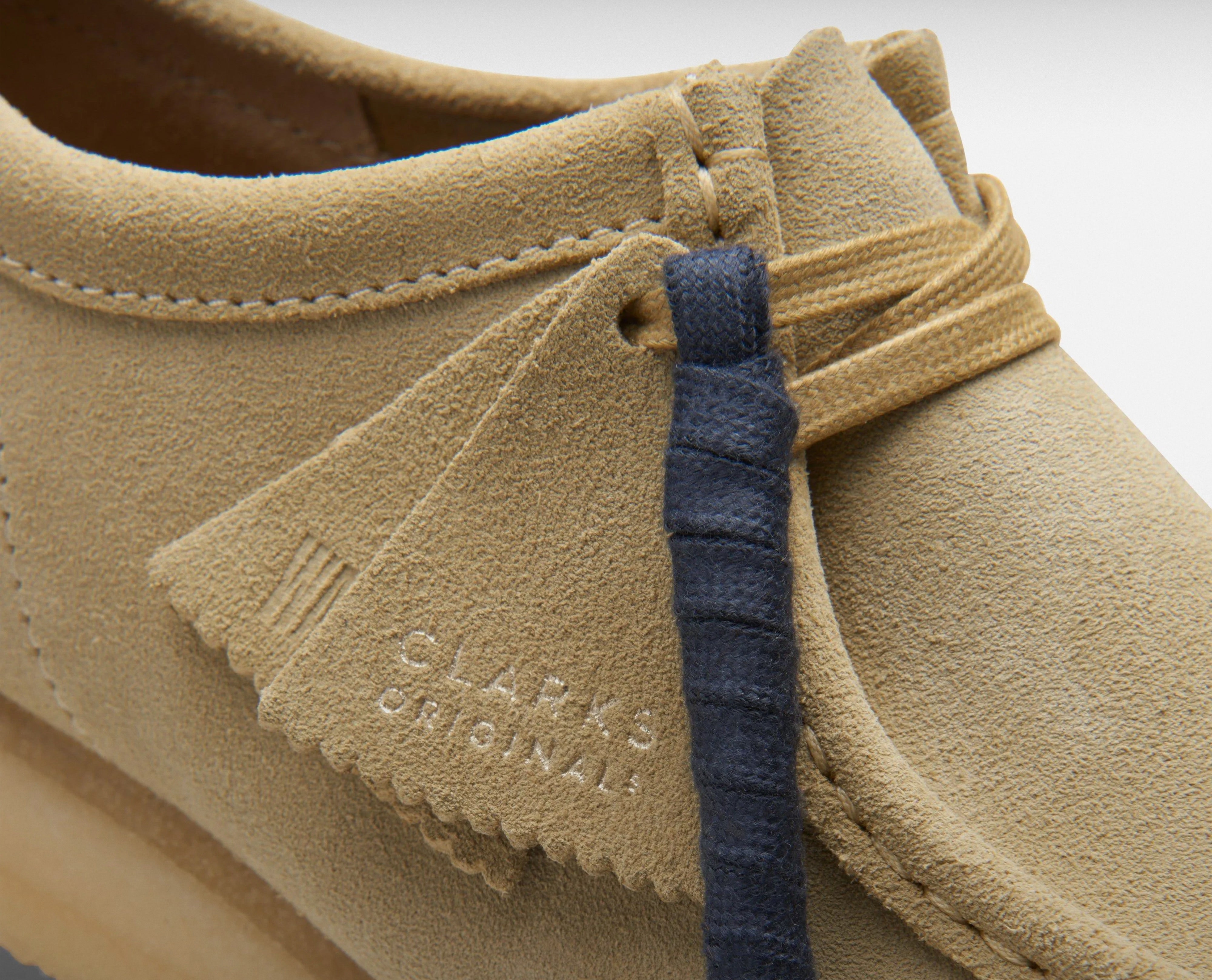
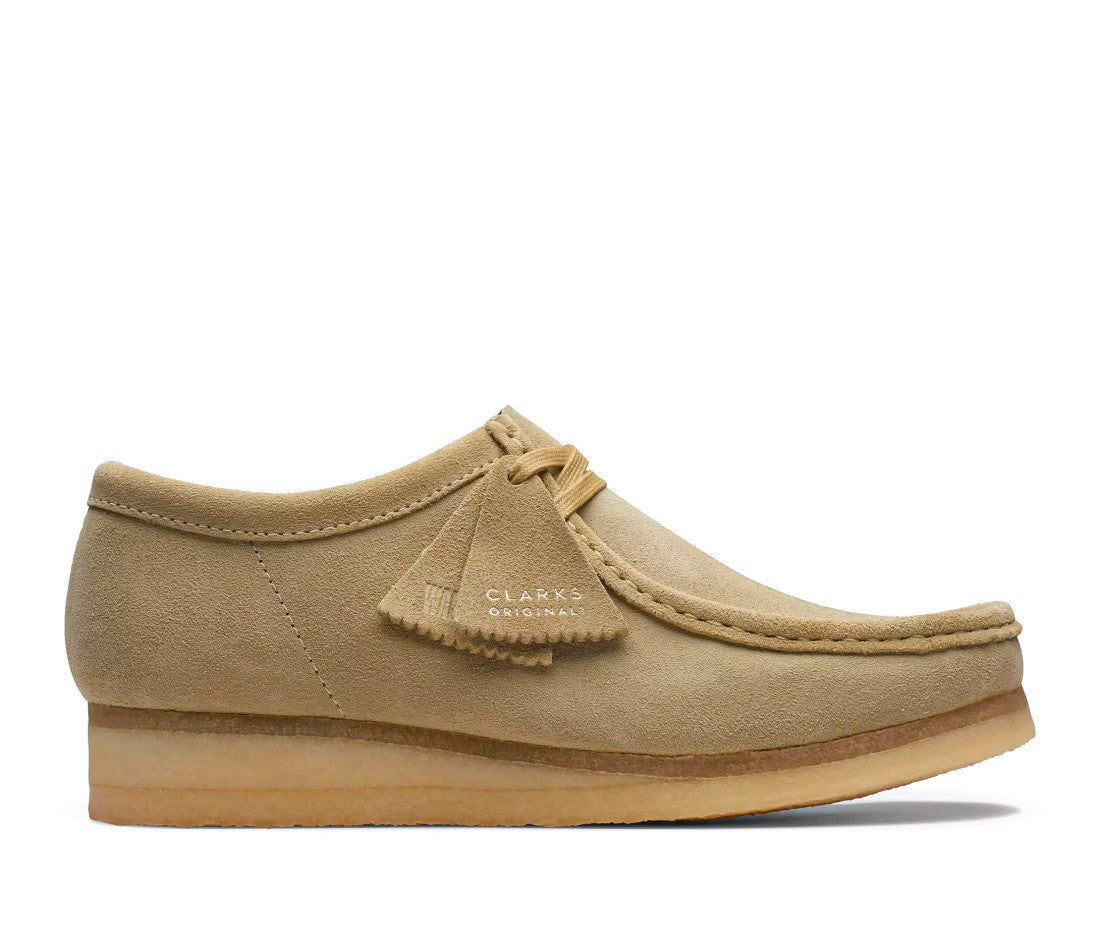
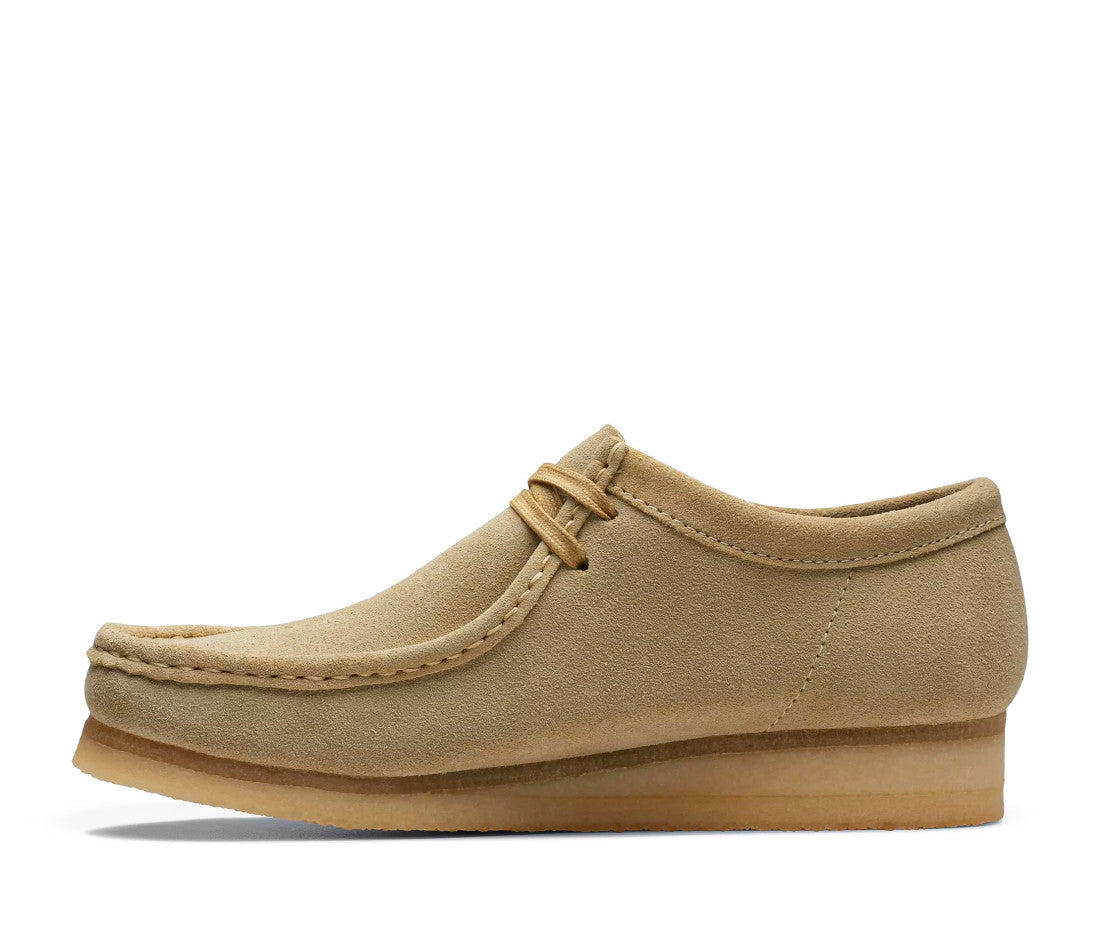
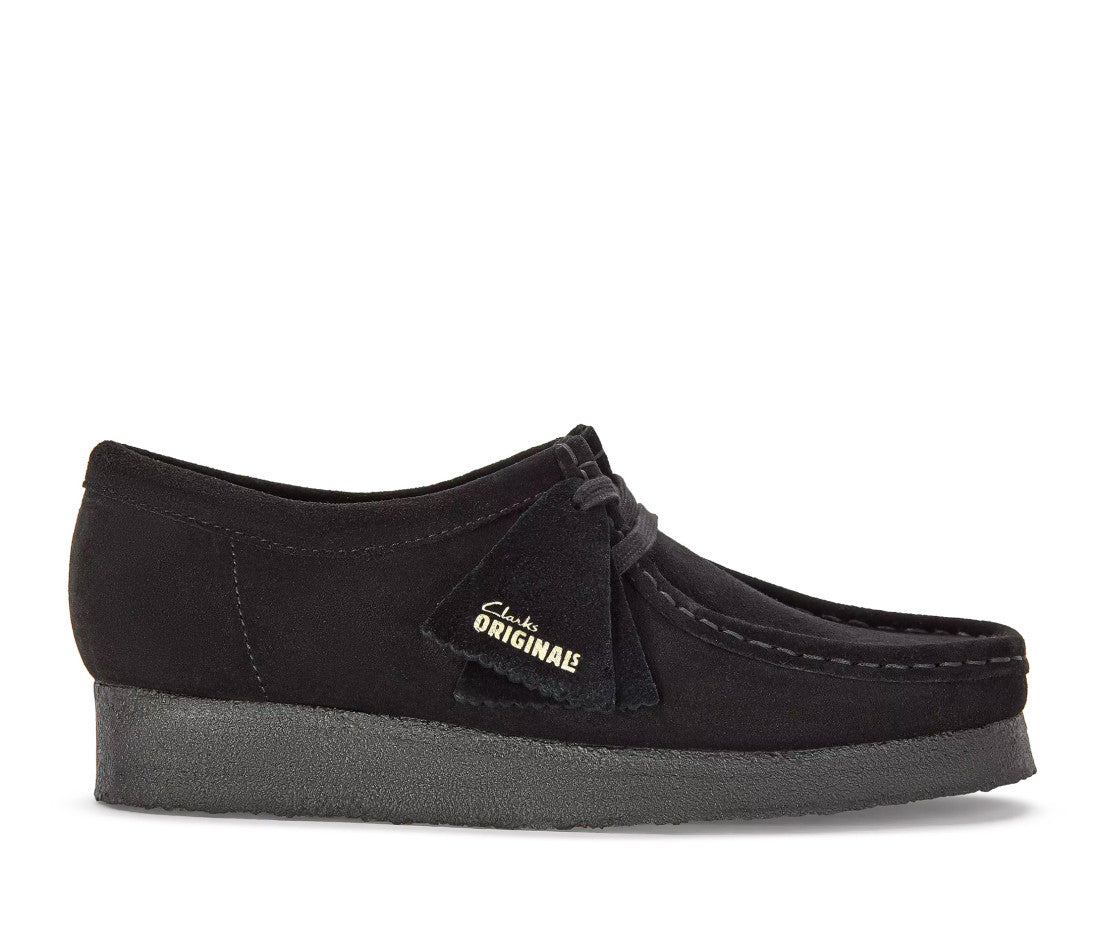
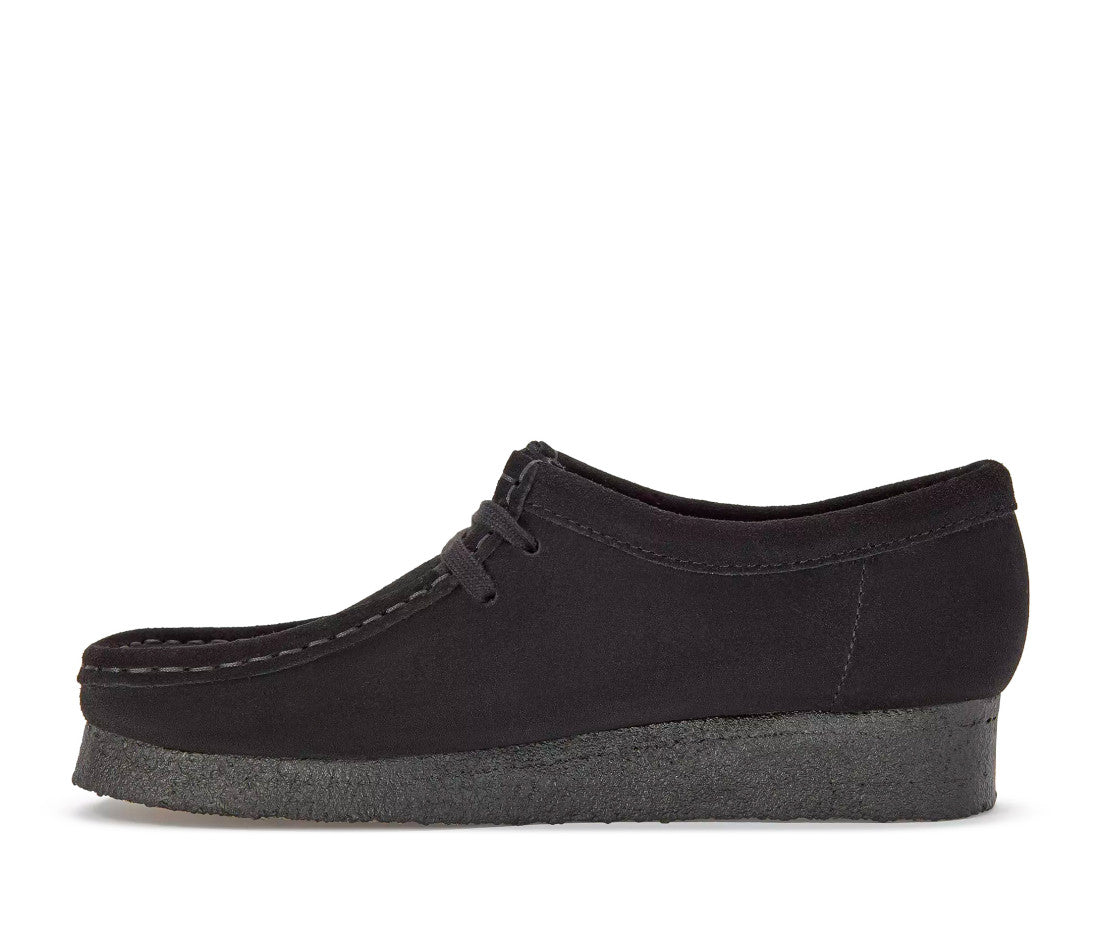
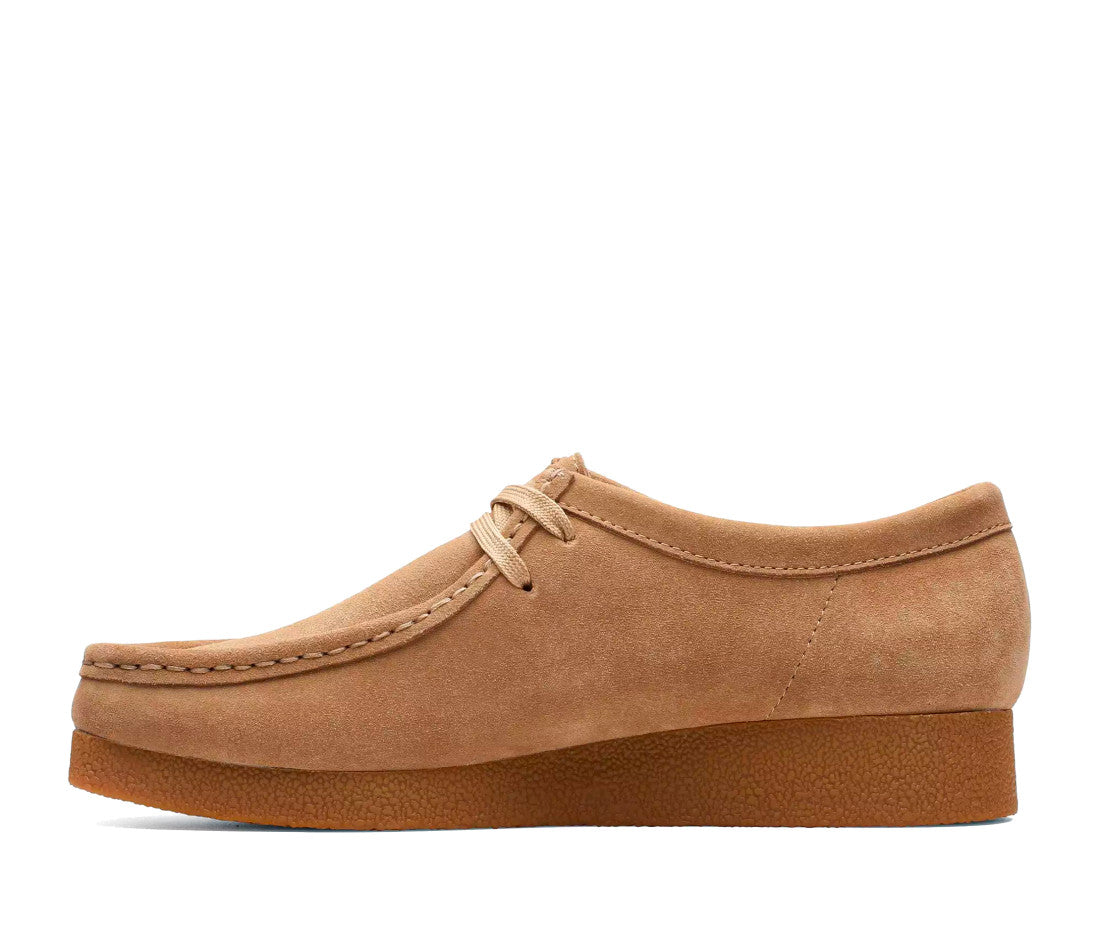
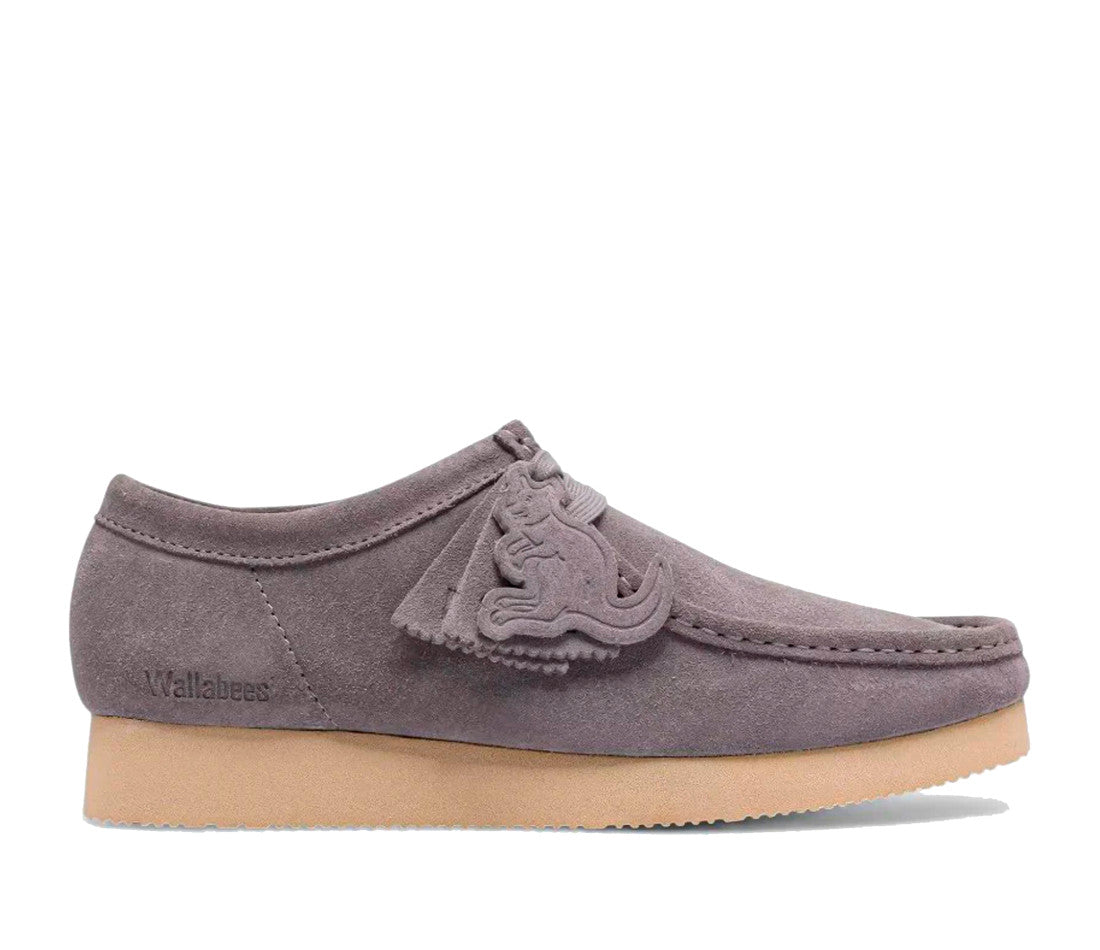
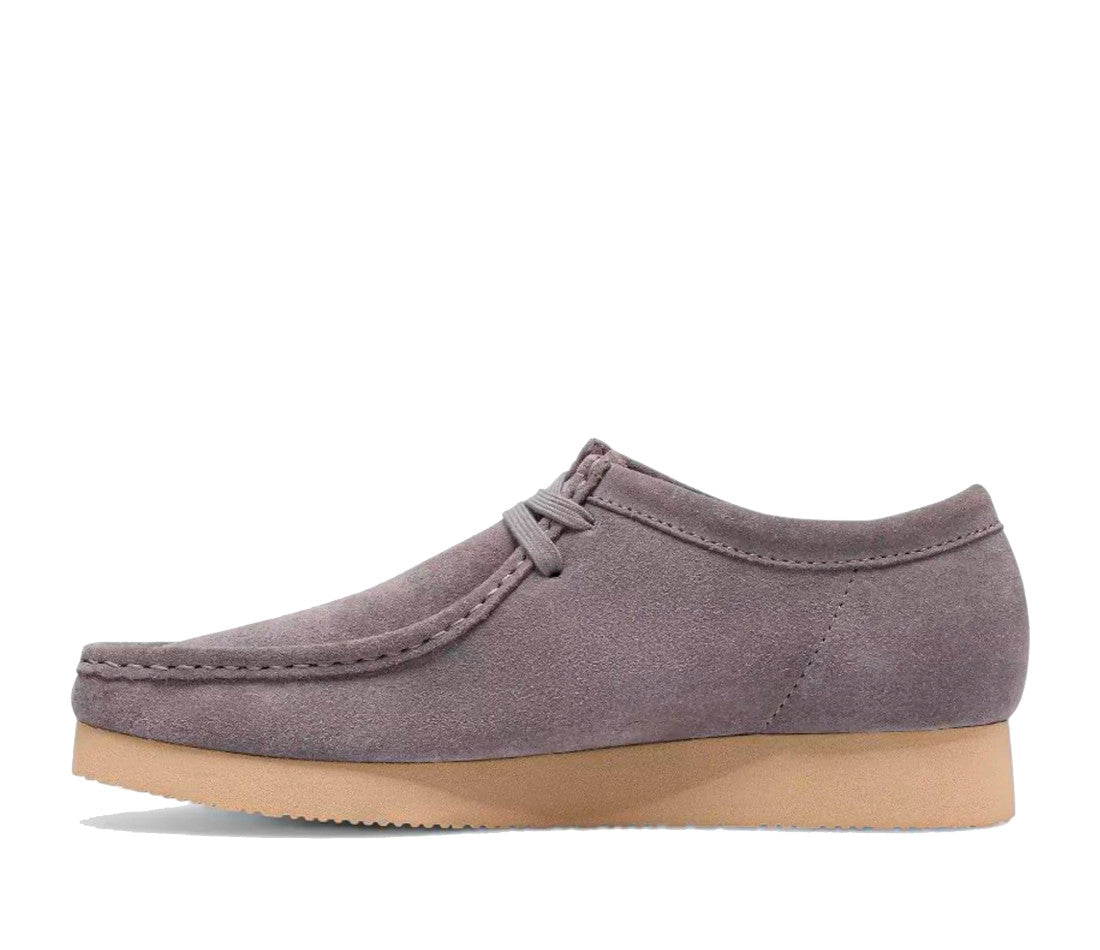
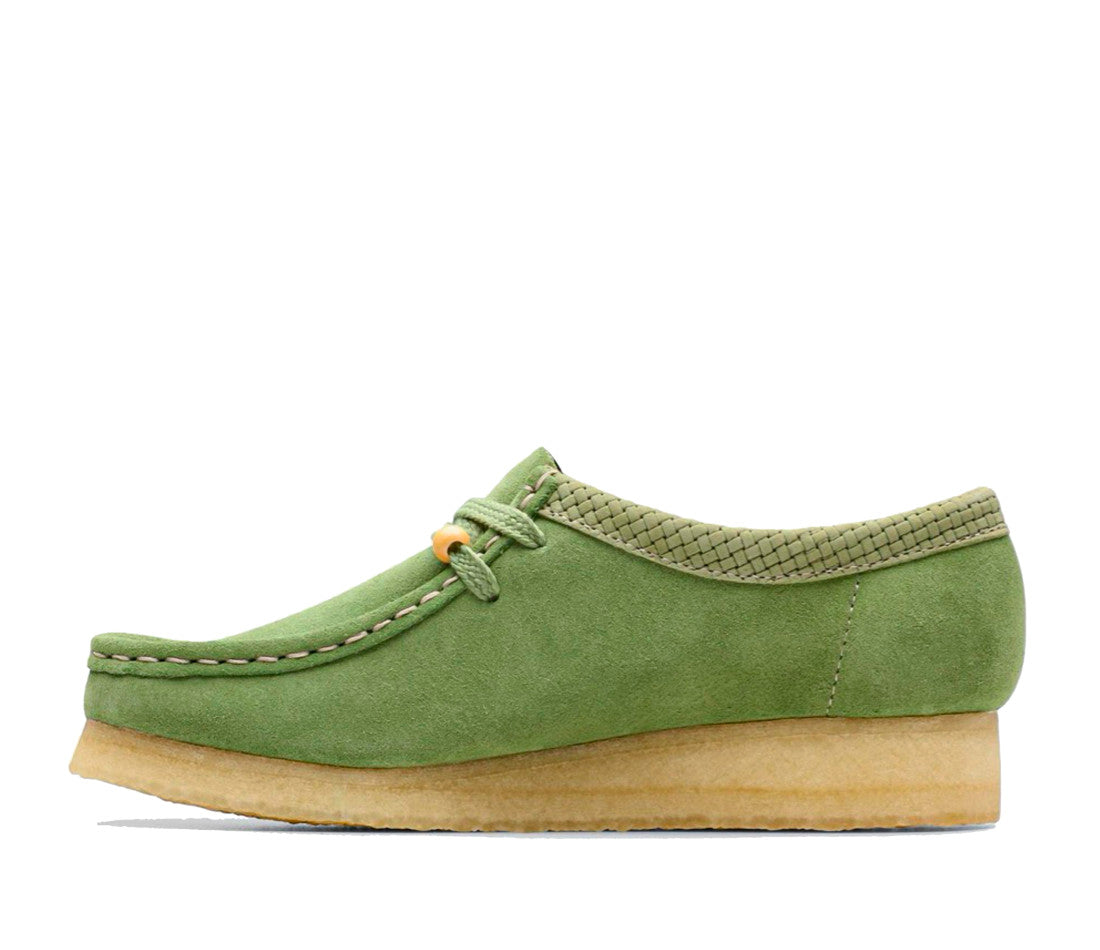
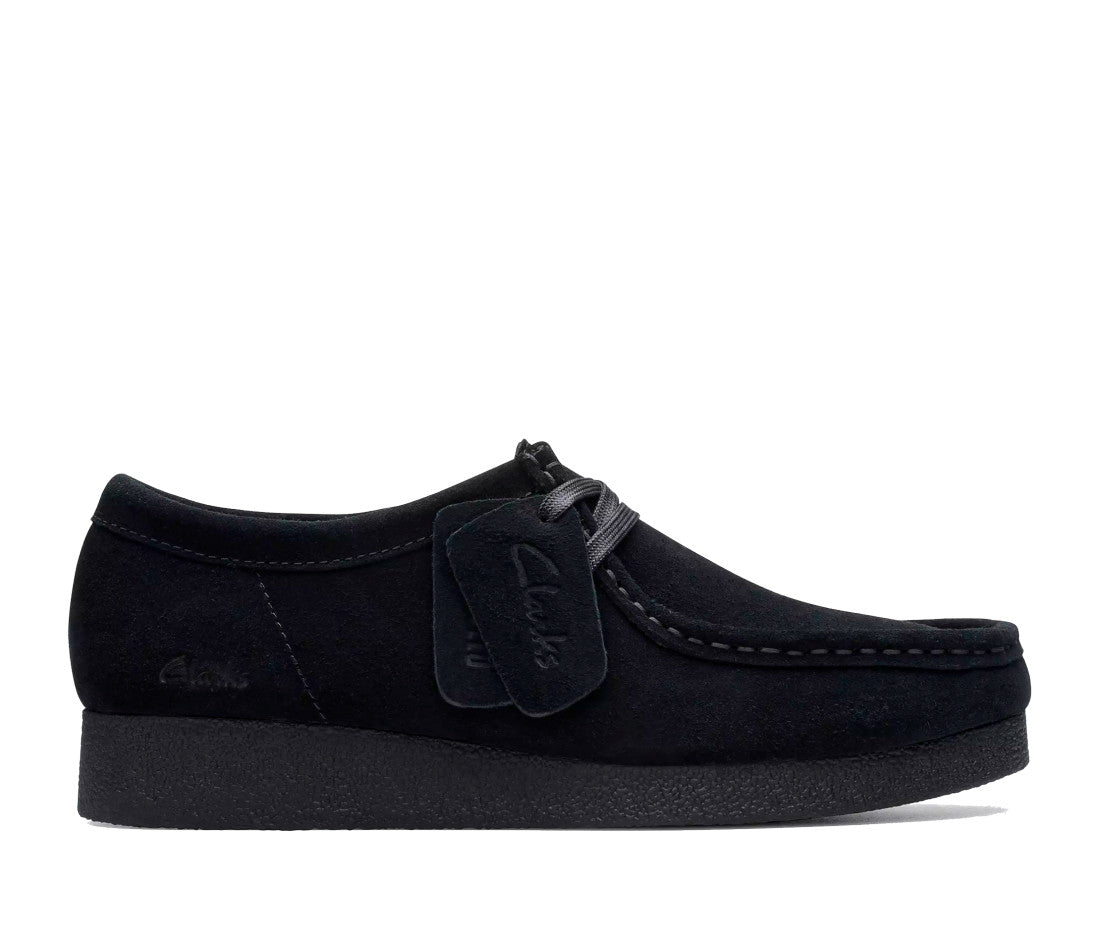
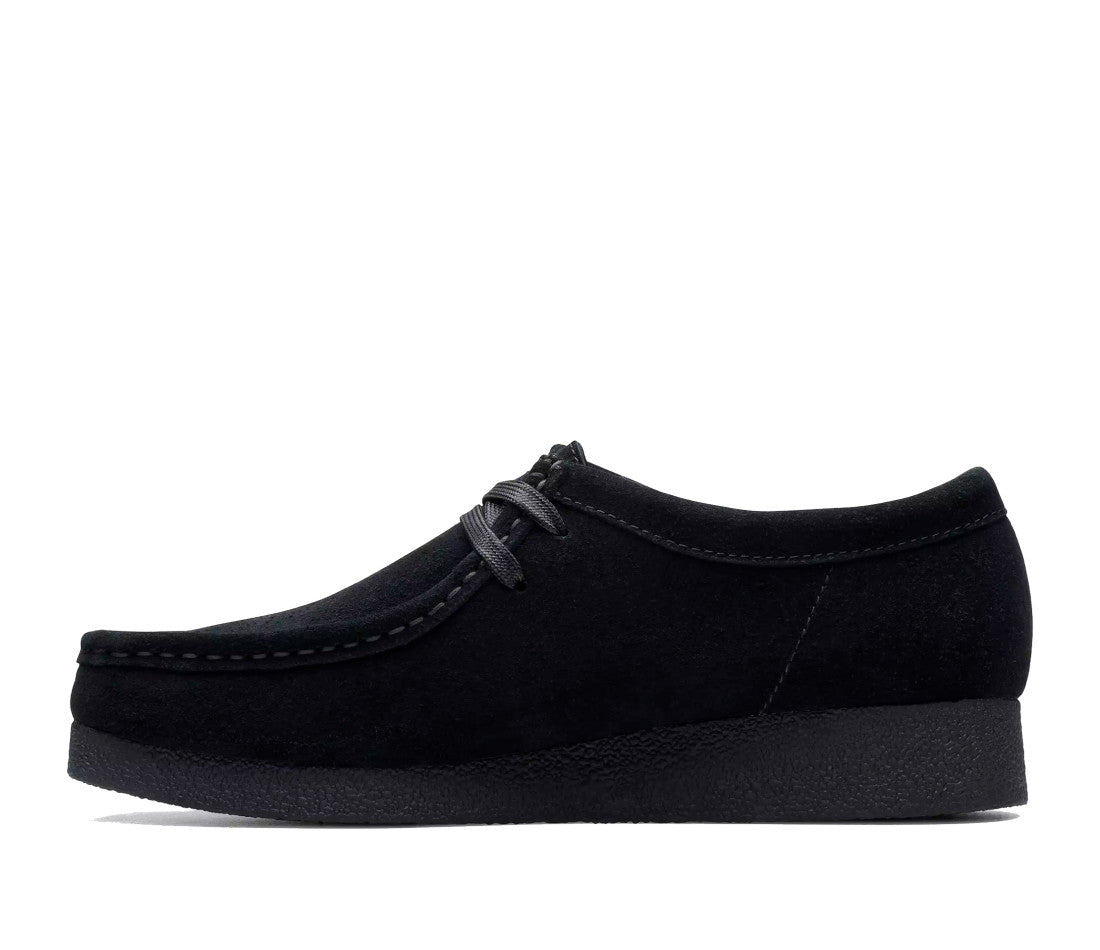
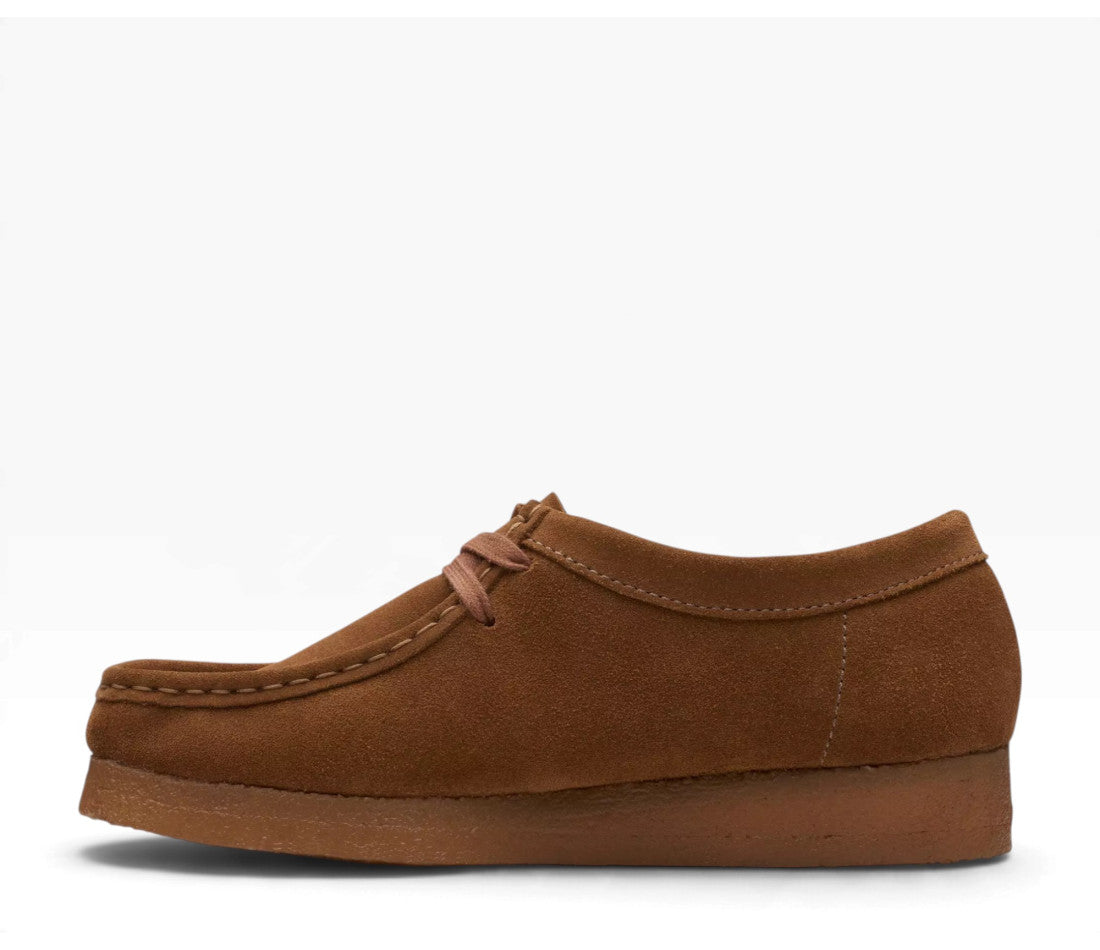
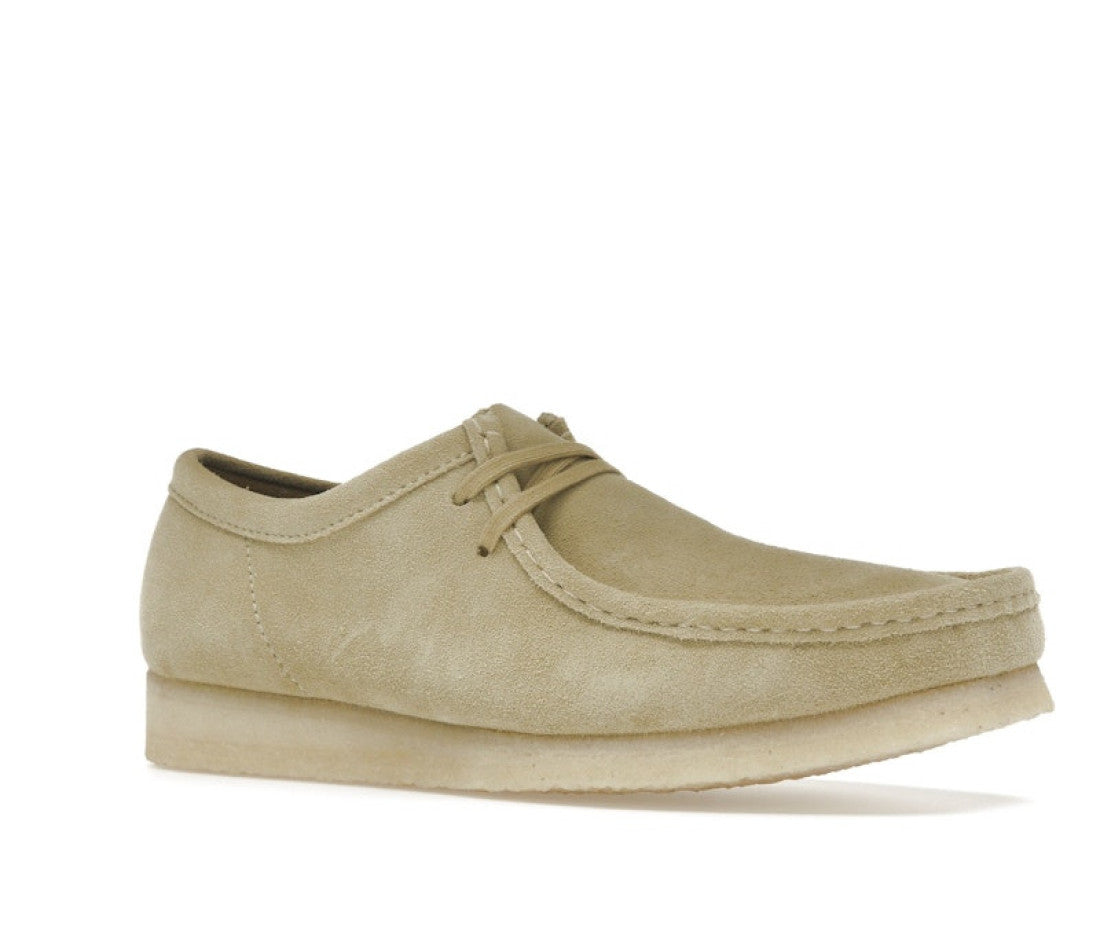
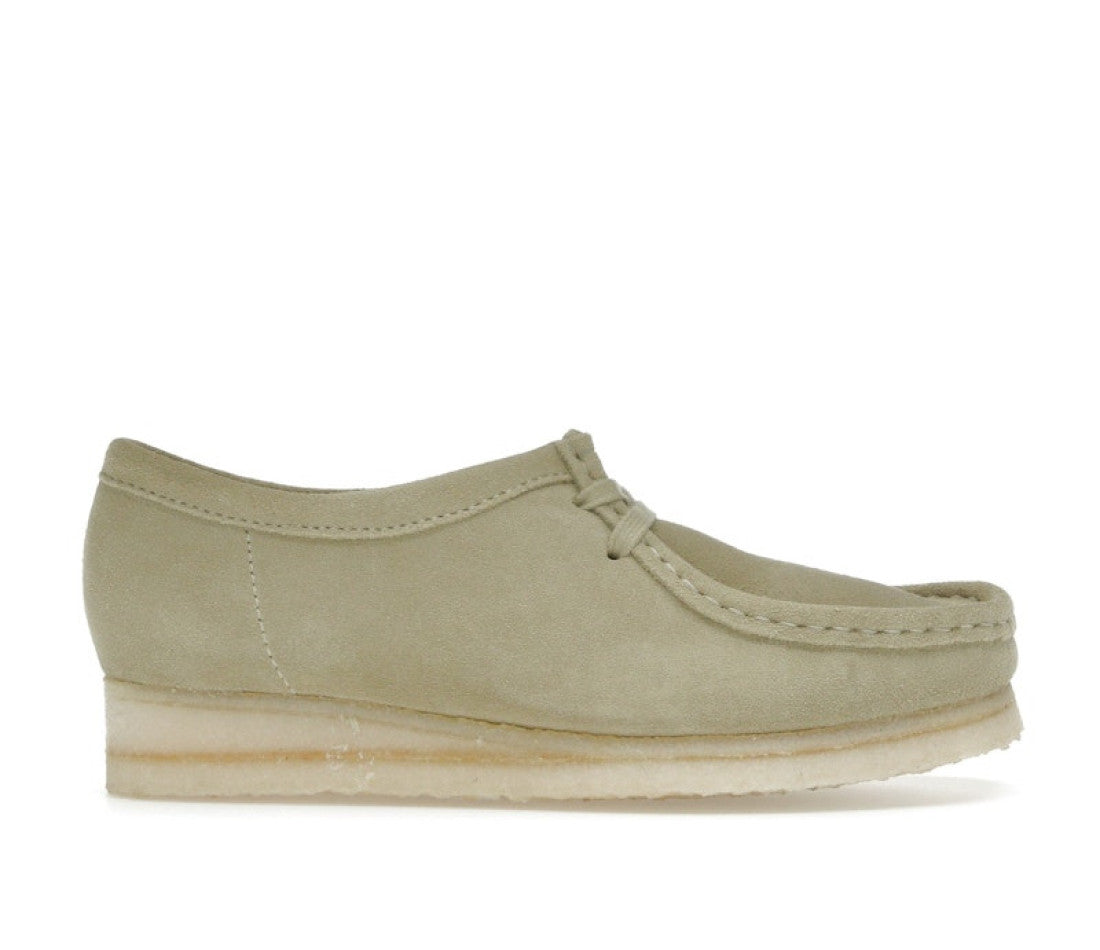
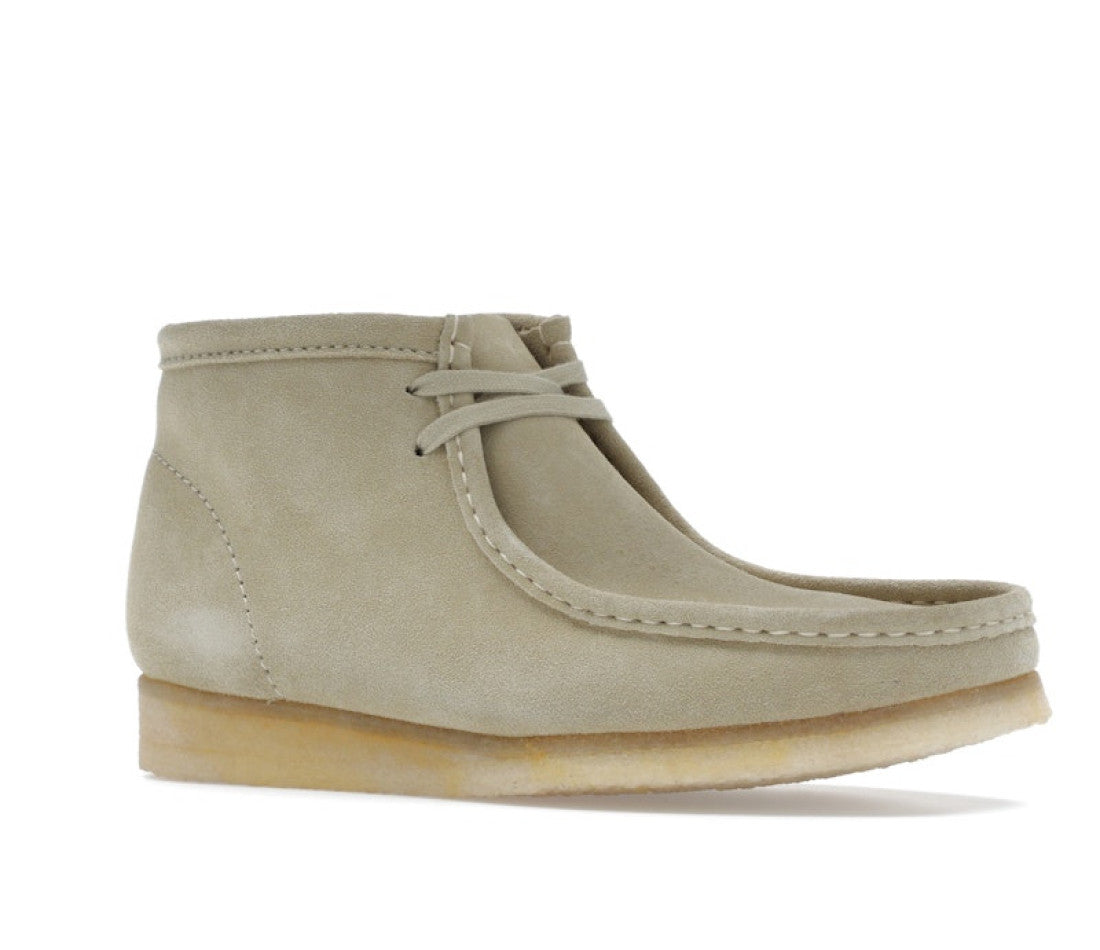
The Wallabee was born in 1966, designed by John Florsheim, who drew inspiration from Native American moccasins to create a low-cut boot with a rounded toe, without a rigid heel counter, and with that natural rubber crepe sole that would become its signature. The Moccasin construction, stitched rather than glued, gives the shoe its characteristic profile—a one-piece line that wraps around the front of the foot without interruption. It's a handcrafted construction, visible from the outside, which immediately reveals the quality of craftsmanship.
The Wallabee could have remained a confidential British comfort shoe. What changed everything was the 1970s Jamaican reggae scene. Clarks, and the Wallabee in particular, became a cultural obsession in Kingston, worn by rude boys, sound system crews, and dancehall artists. This status then spread to American hip-hop via groups like Wu-Tang Clan, who made the Wallabee a symbol of discreet respectability in the 90s. Ghostface Killah, notably, wore the pair to the point of making it an element of his identity.
Construction and Materials: What Makes the Wallabee Recognizable
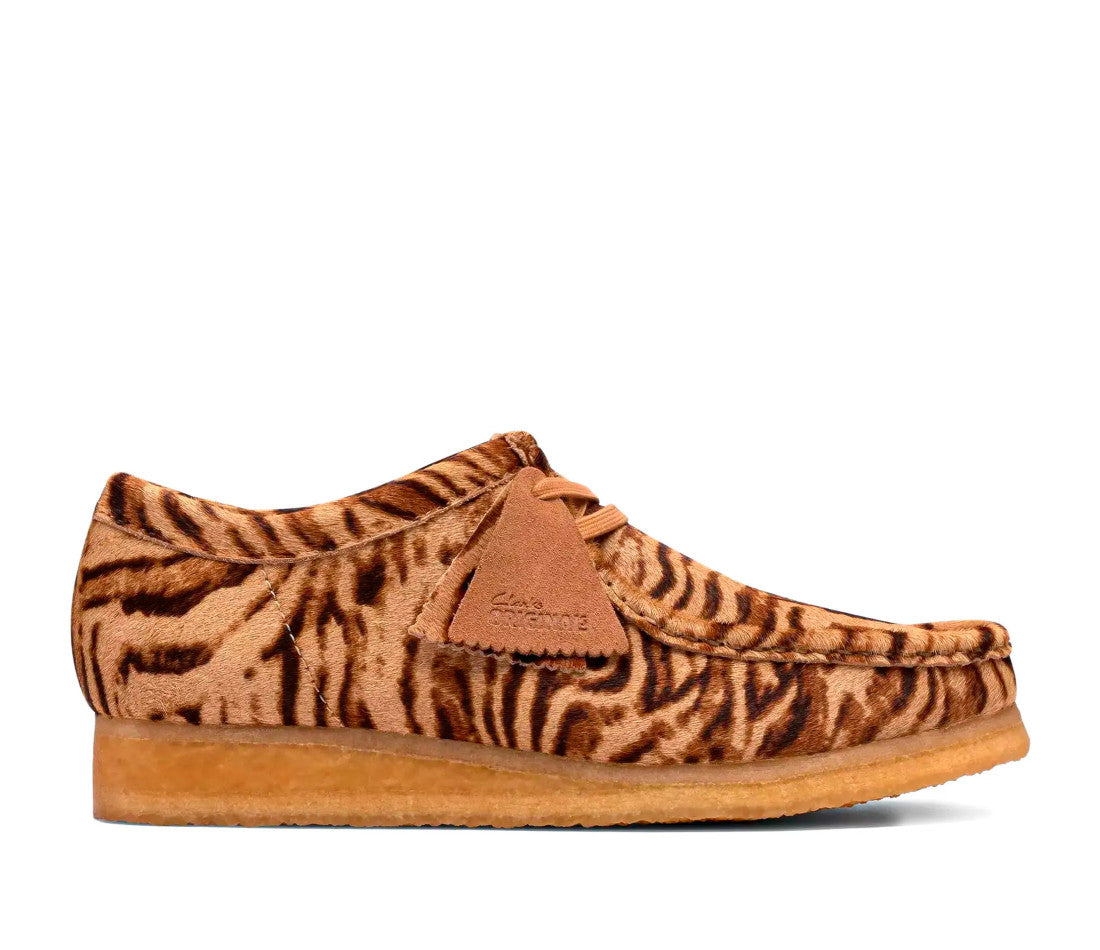
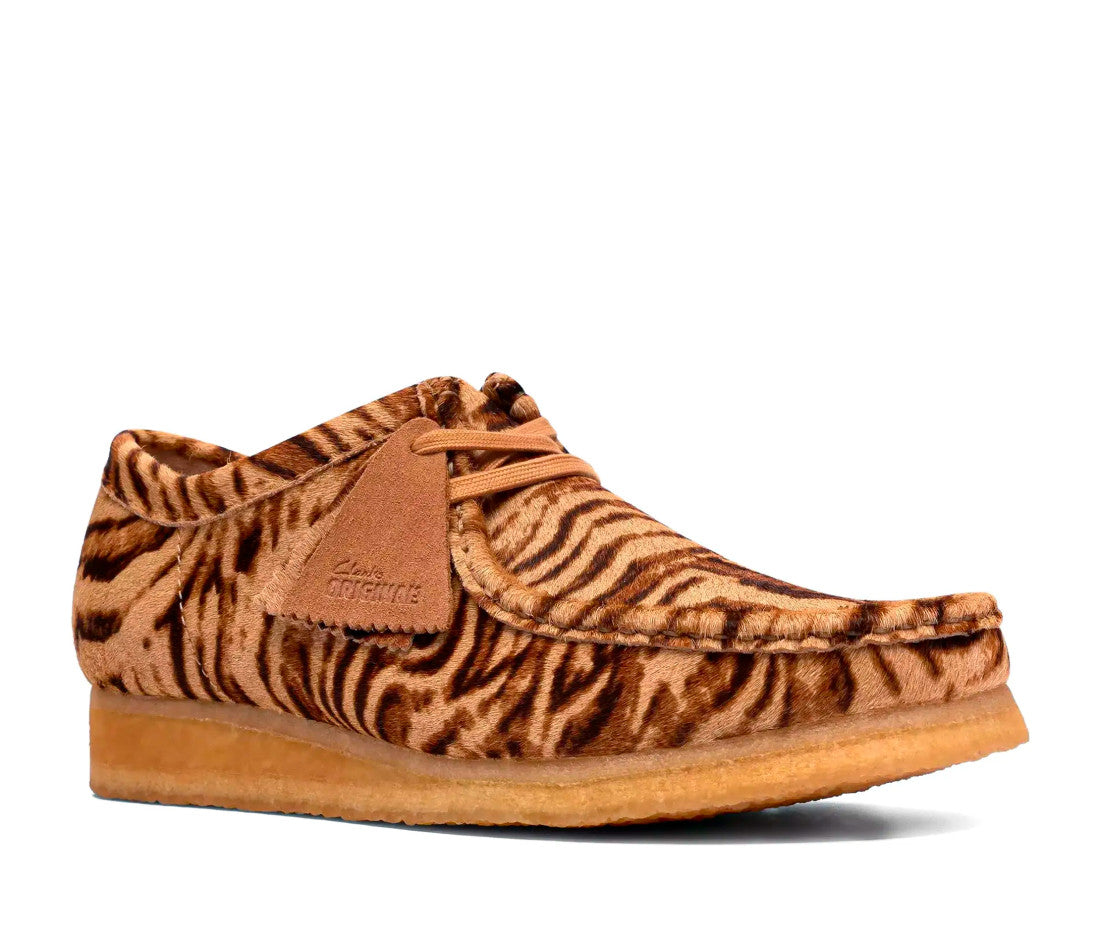
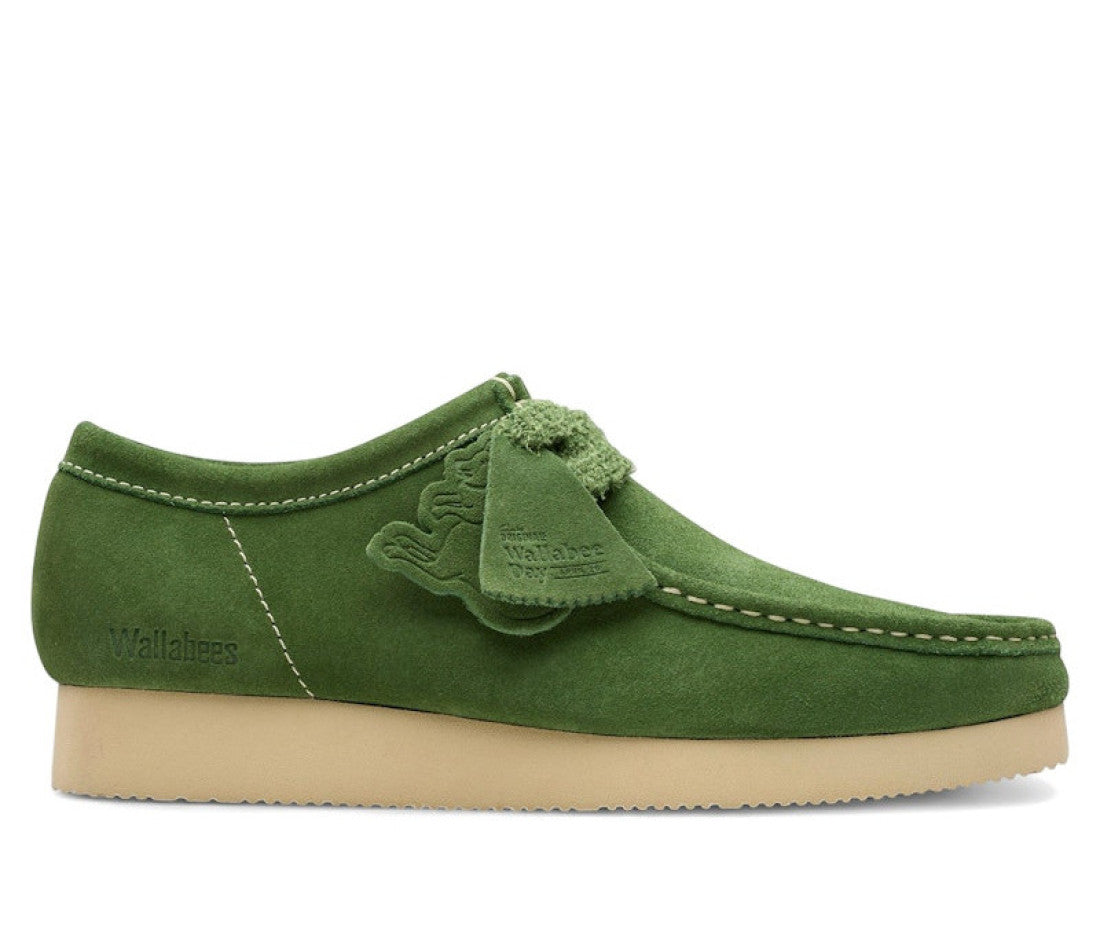
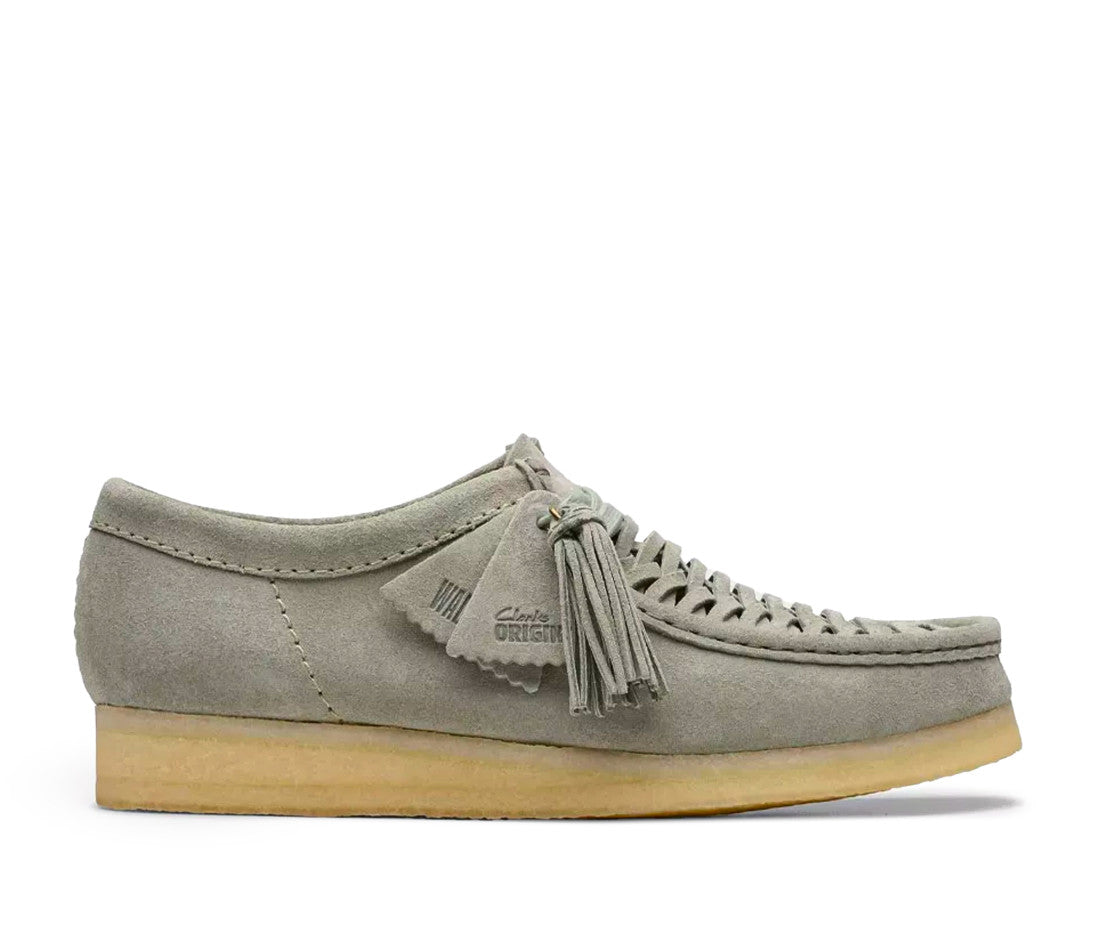
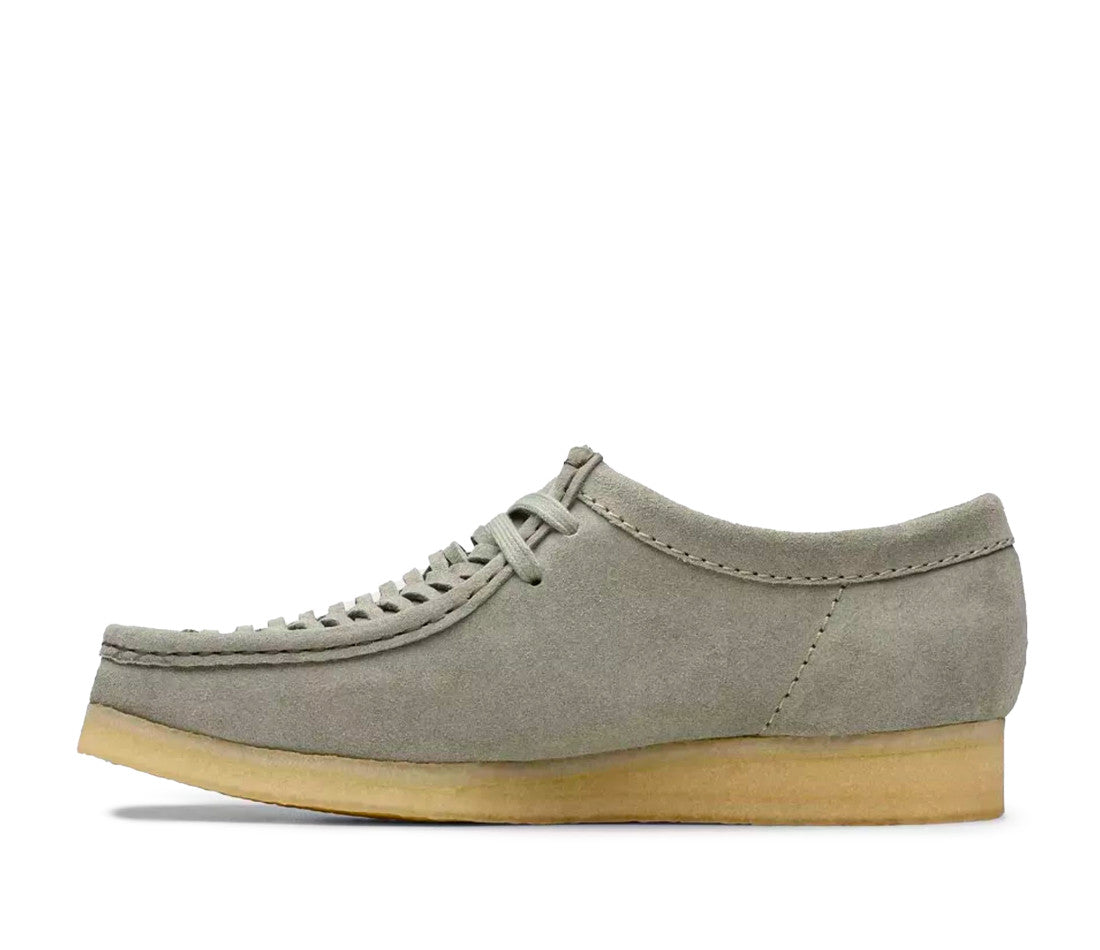
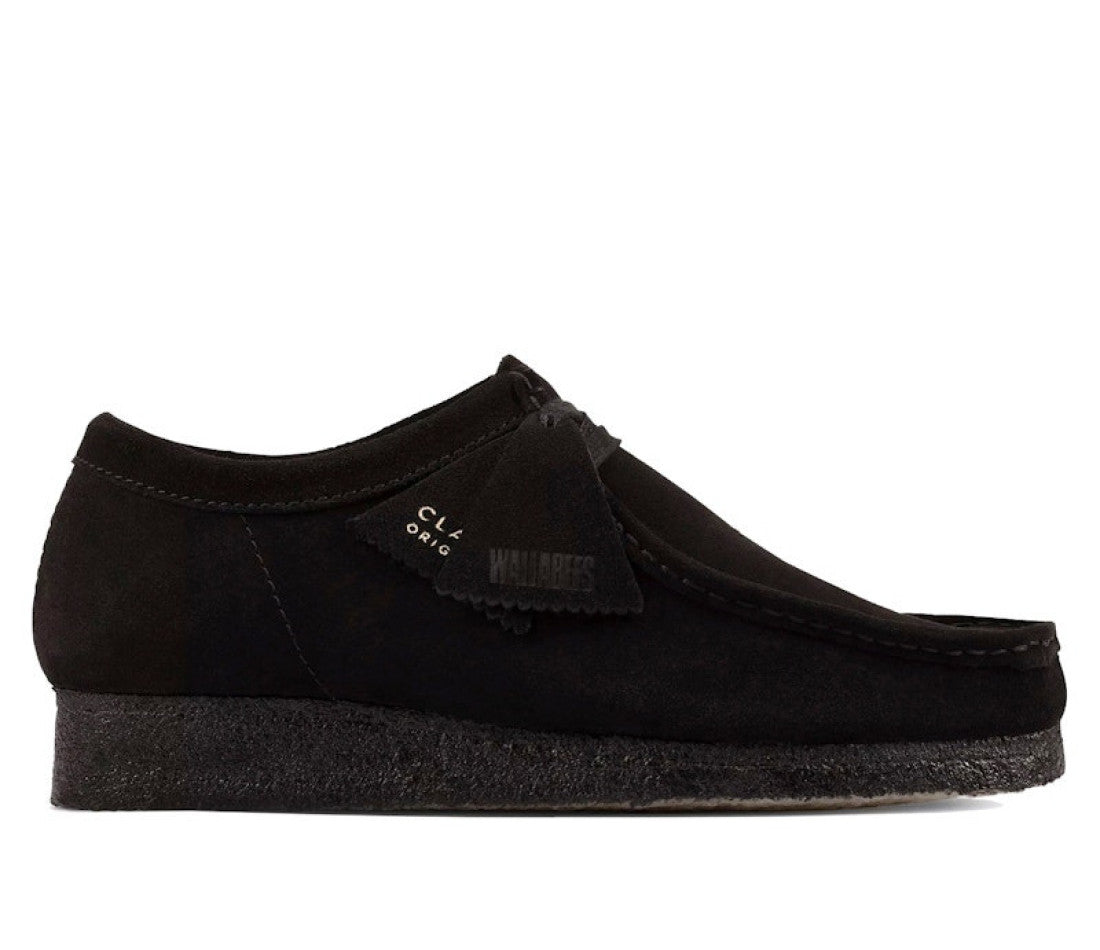
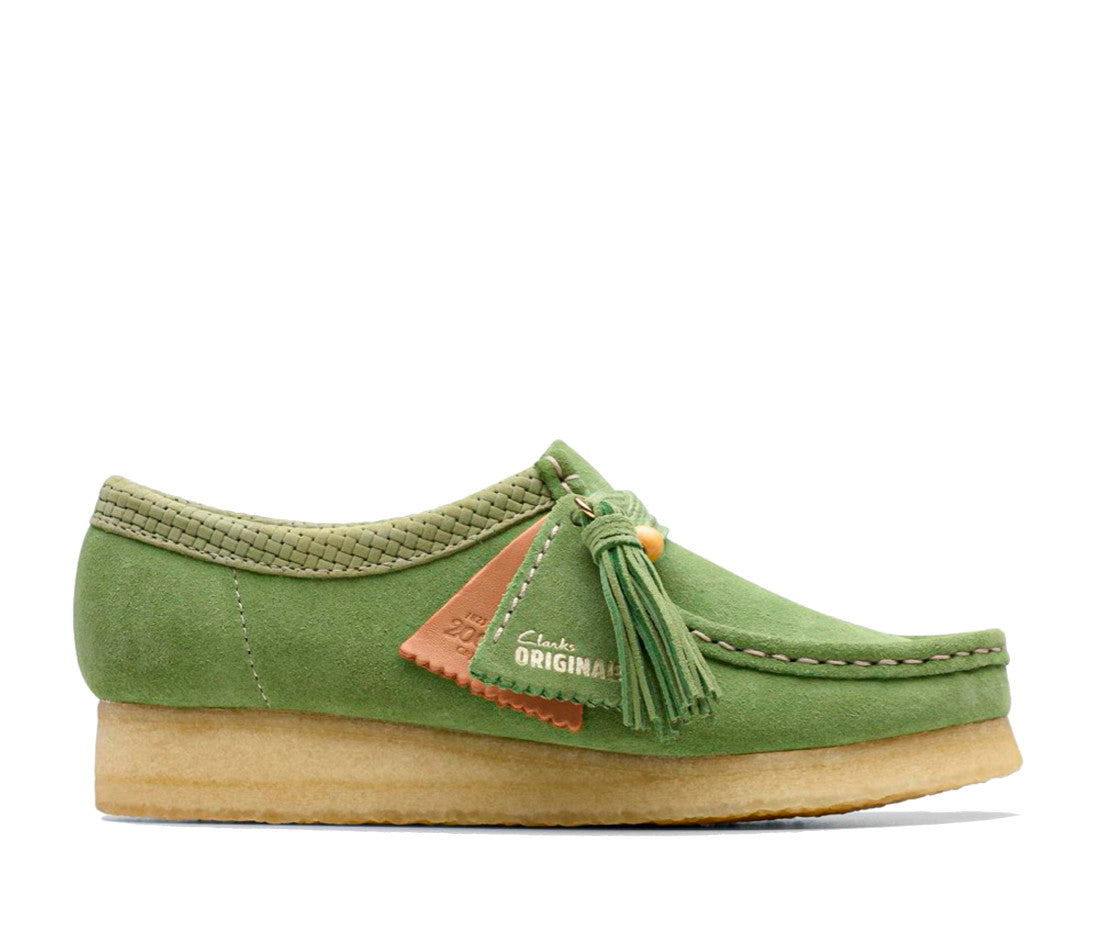
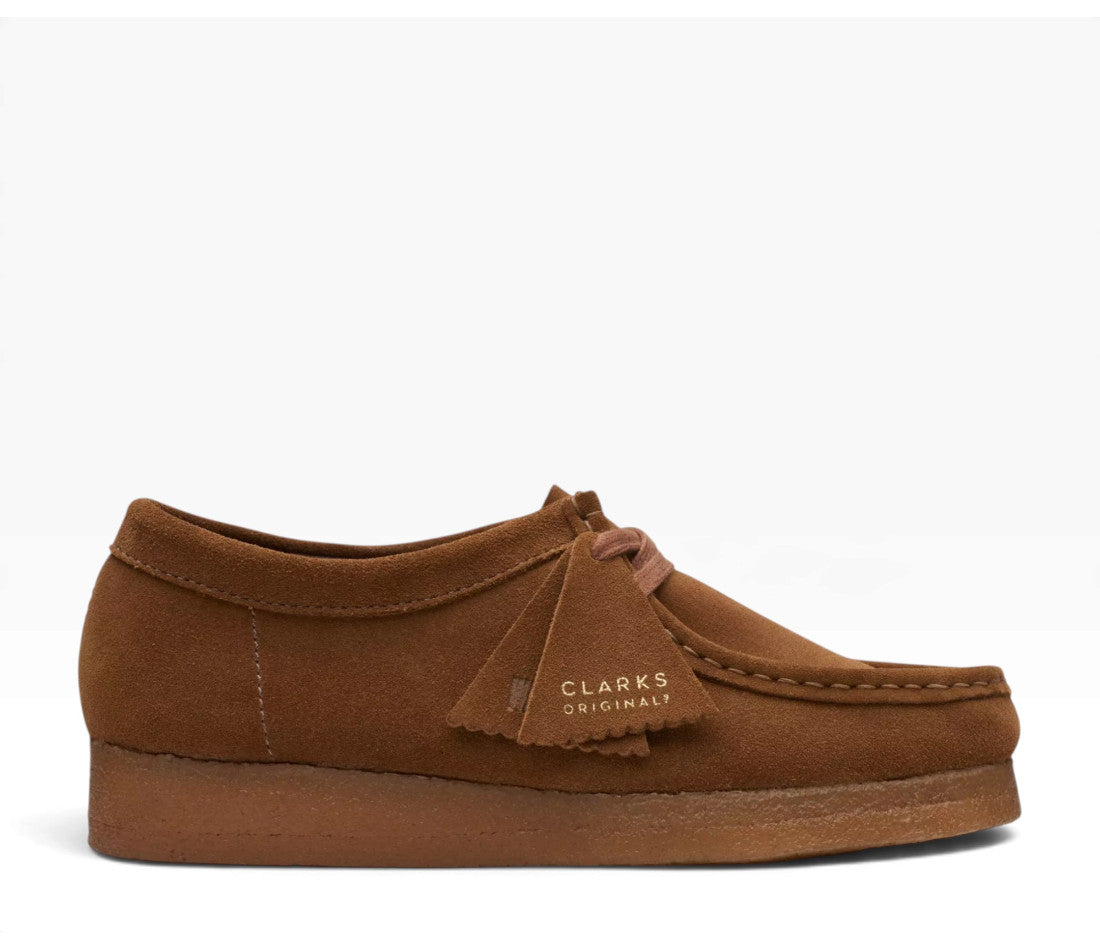
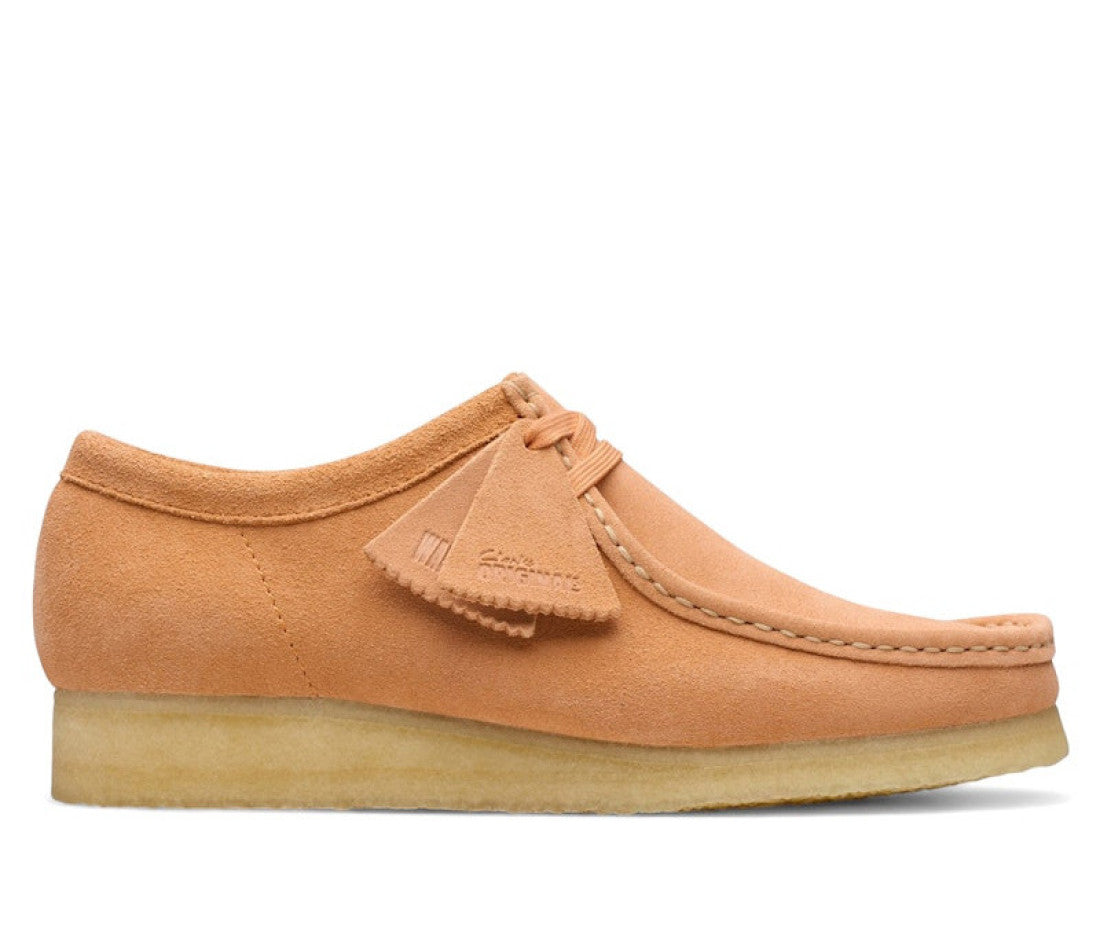
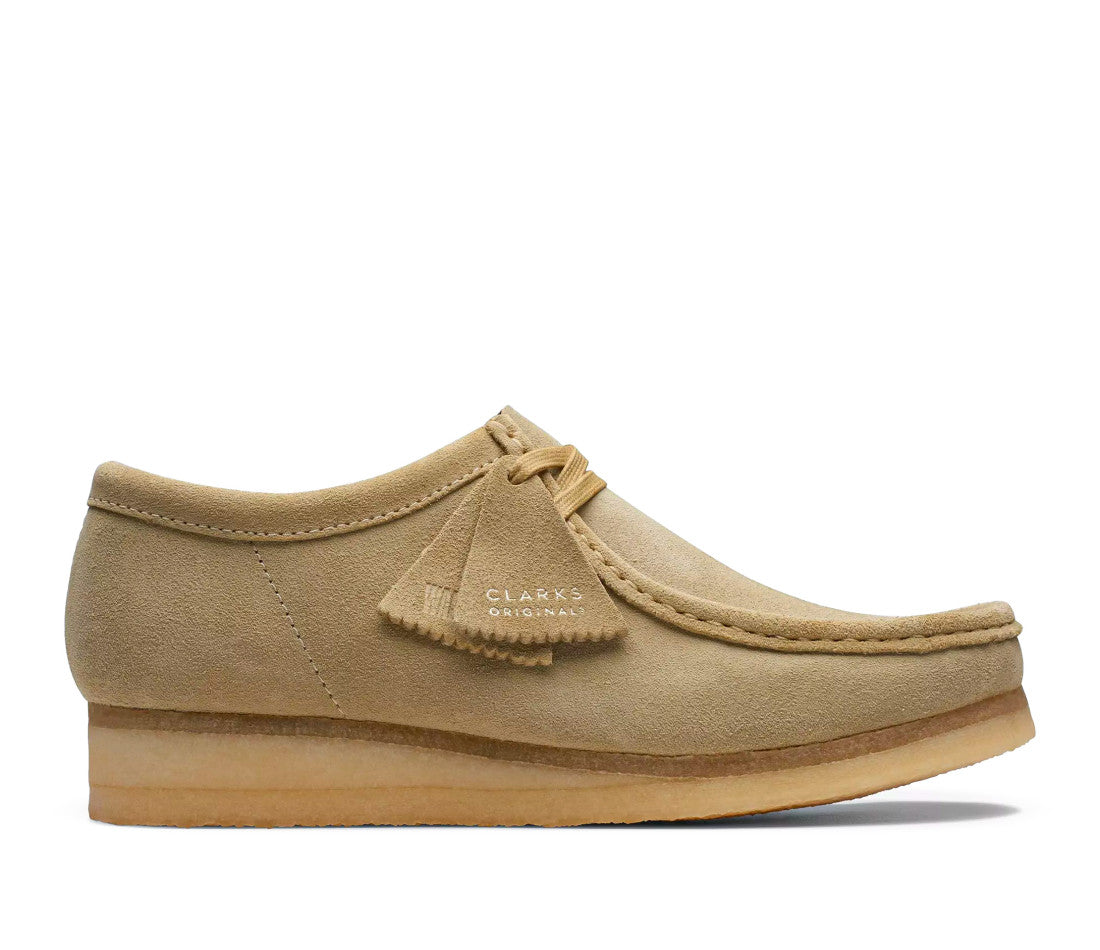
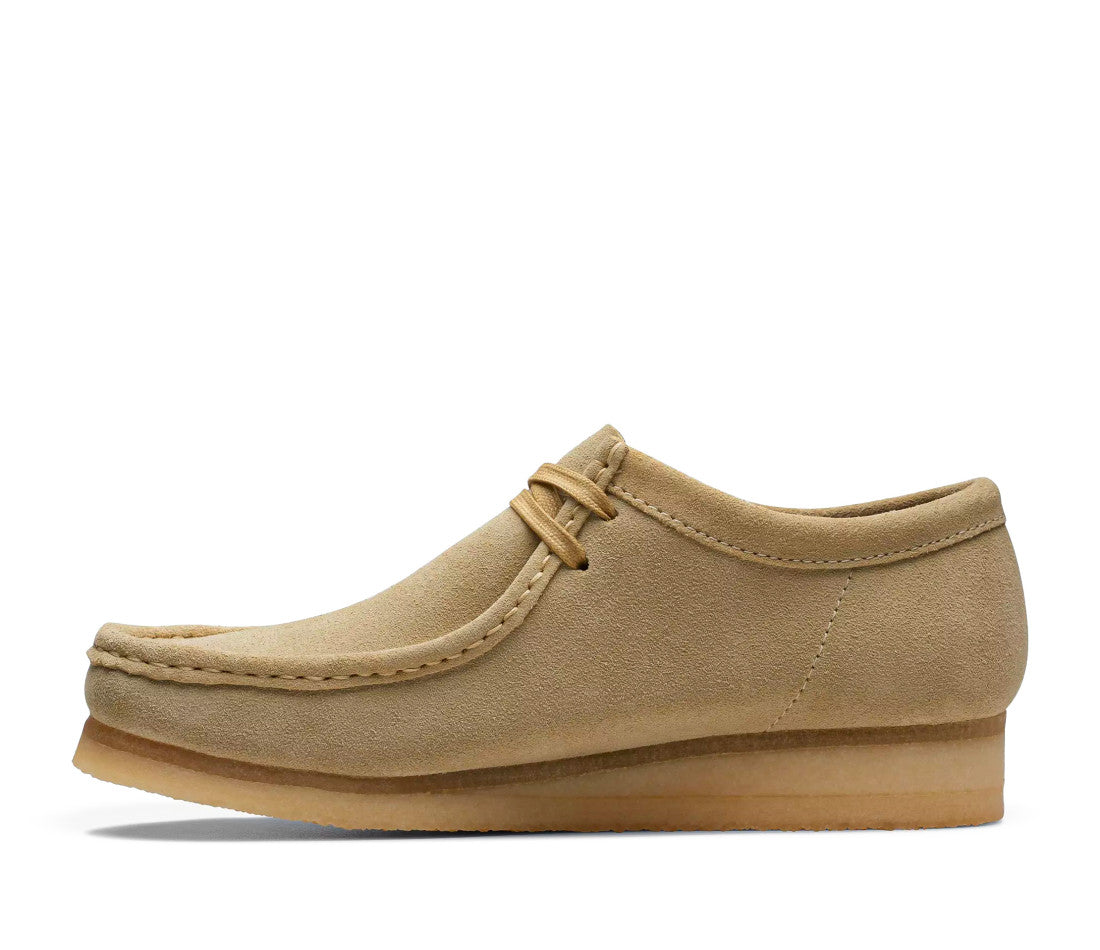
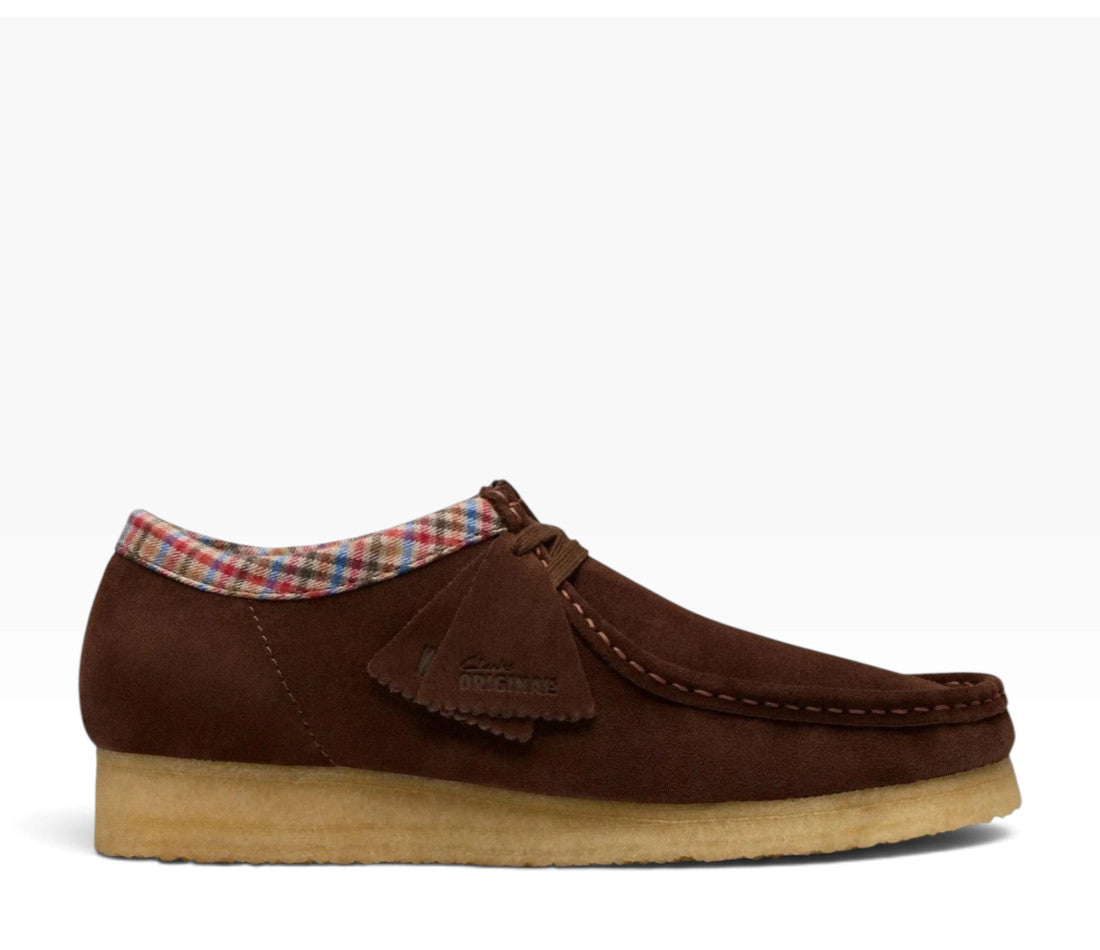
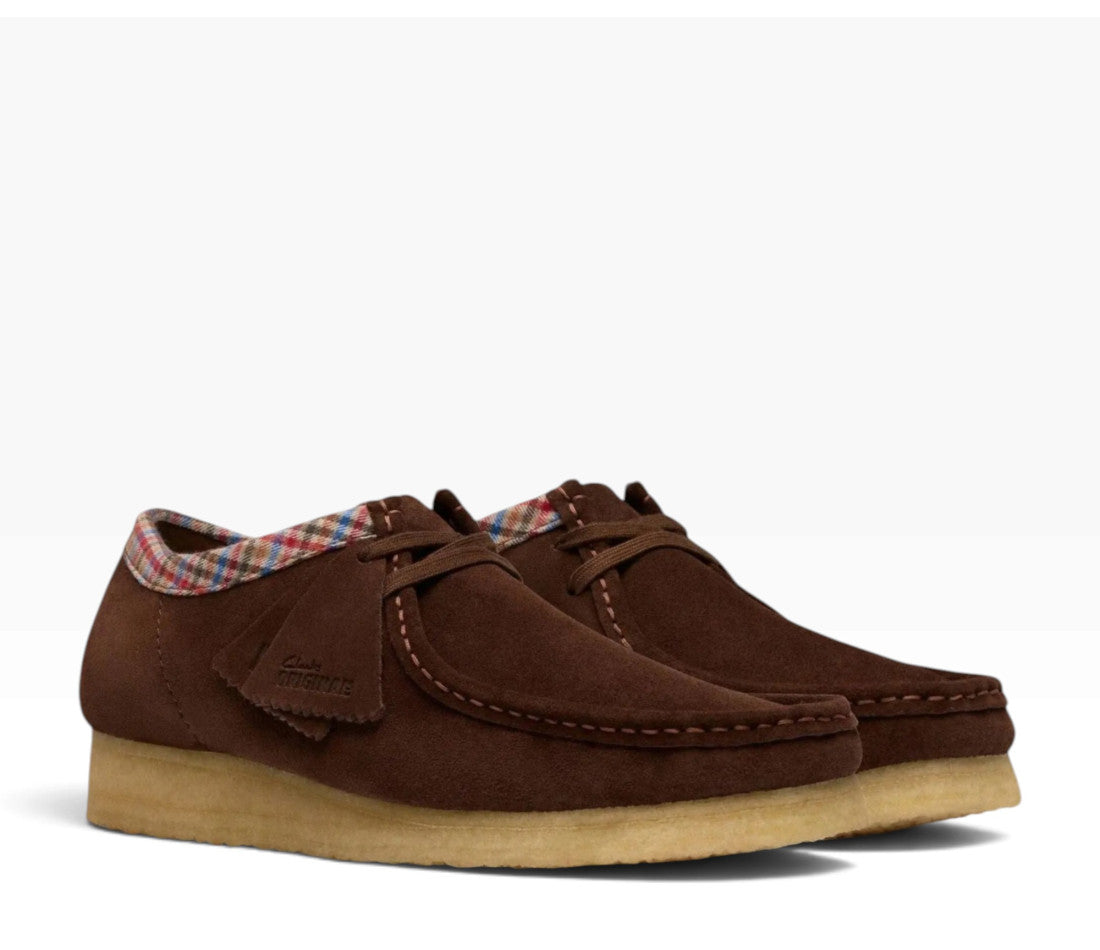
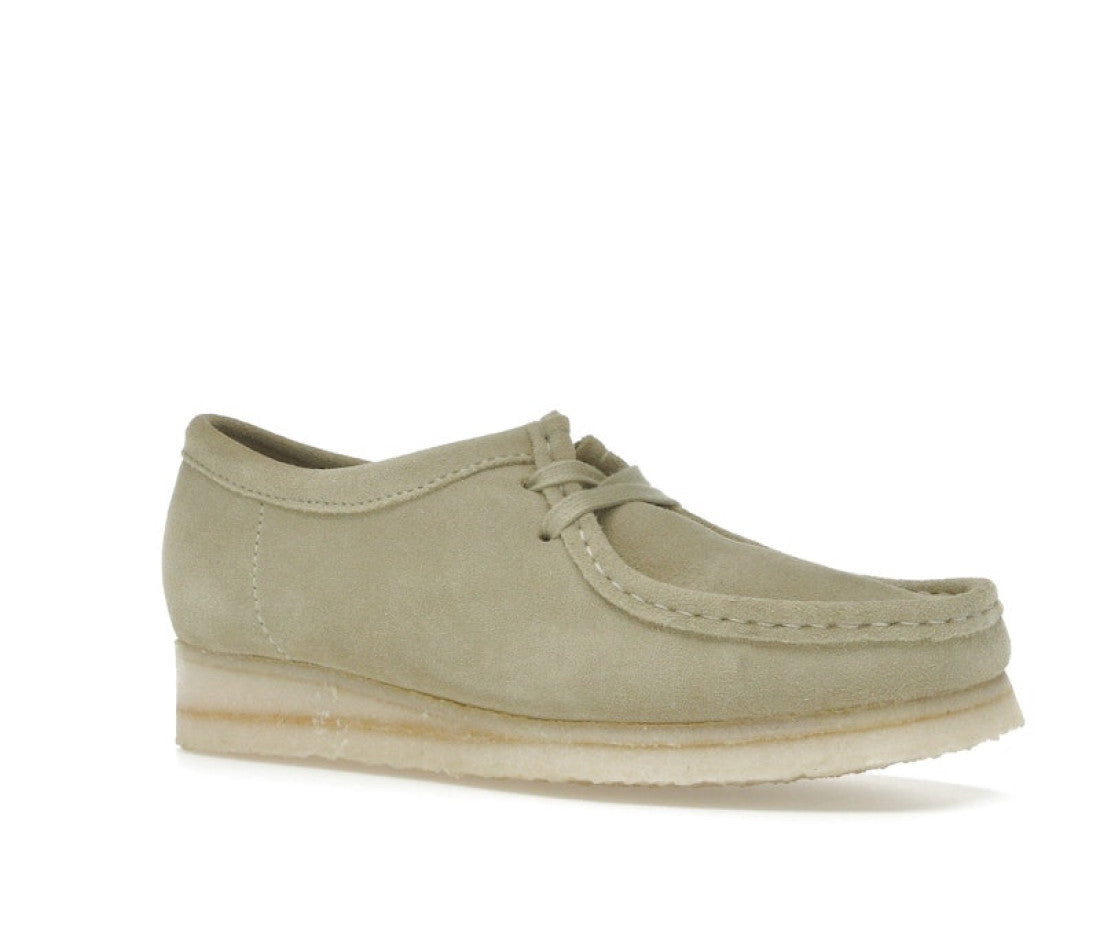
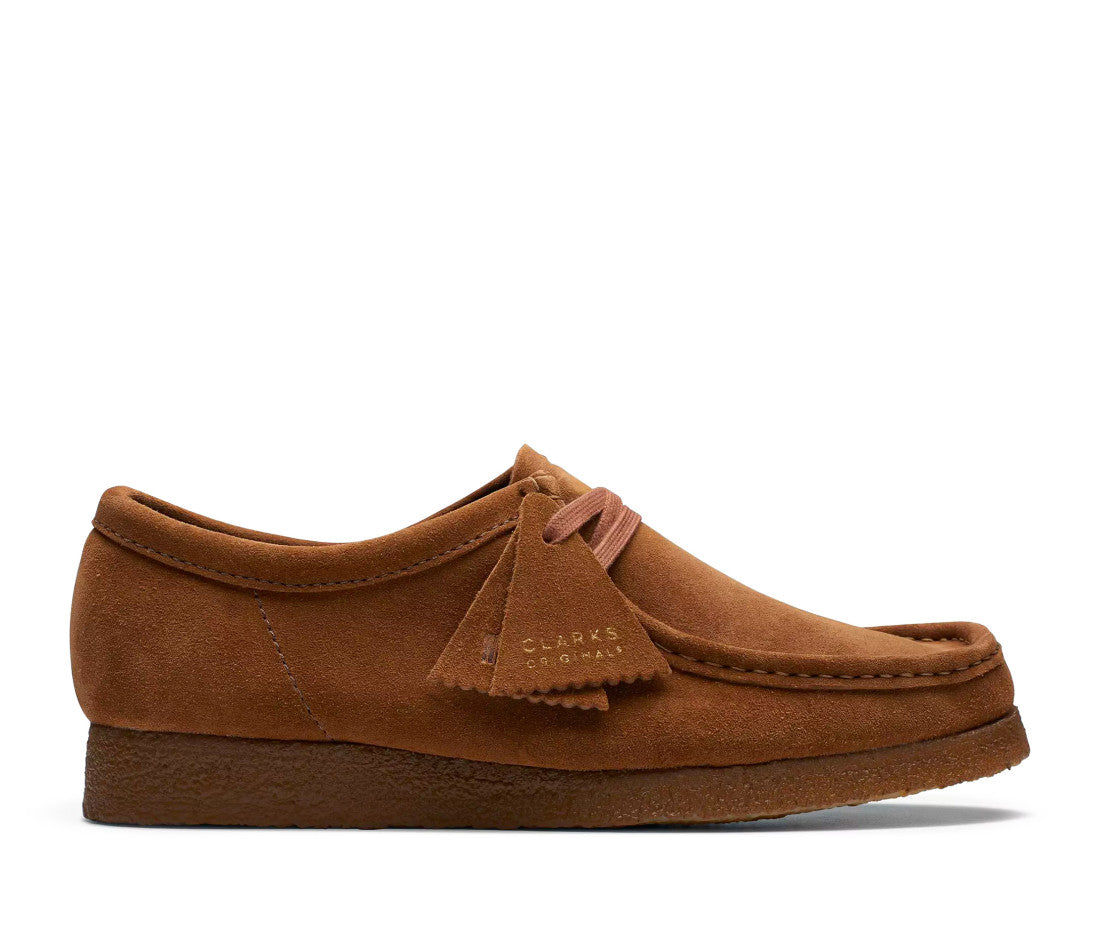
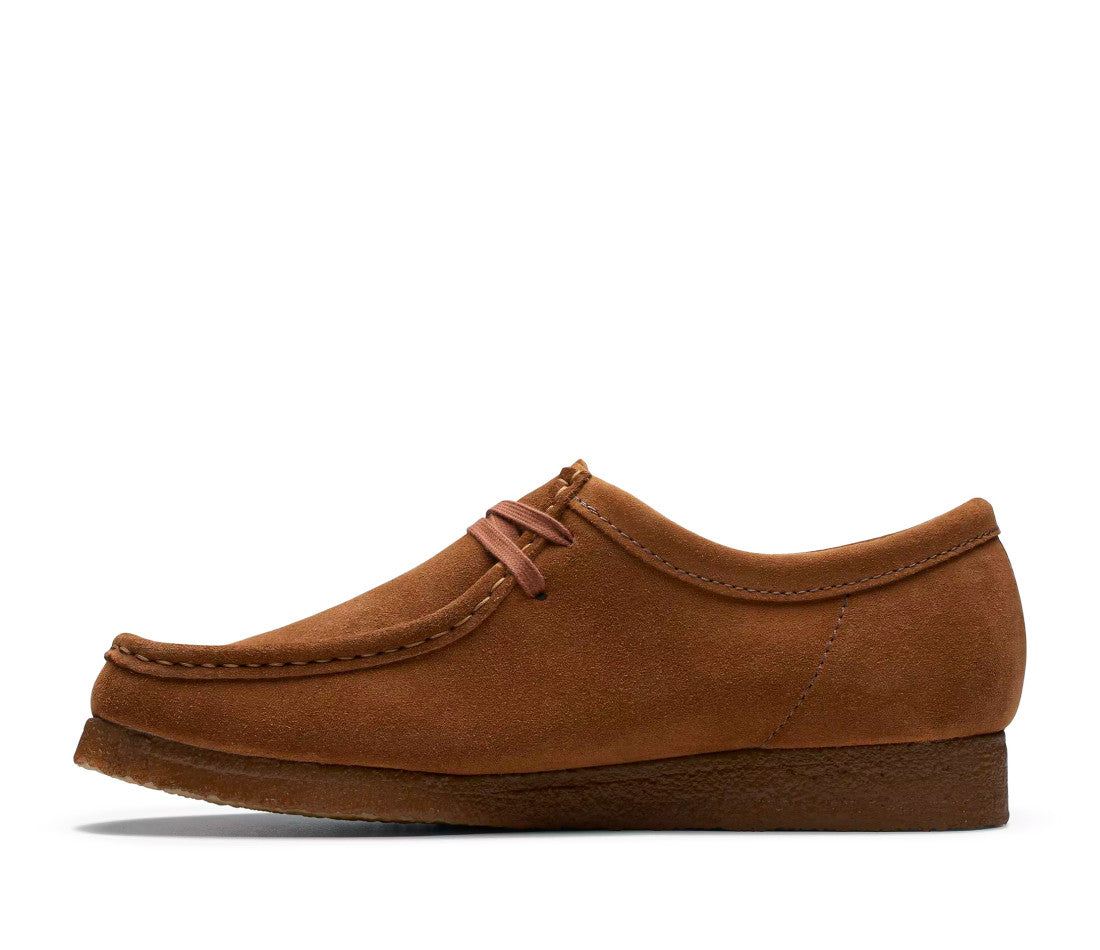
The upper is traditionally made of premium suede or full-grain leather depending on the colors and versions. The Moccasin construction—that visible stitch line running all around the shoe—is the most immediate visual signature. It also gives the shoe natural flexibility from the first wear, without an uncomfortable break-in period.
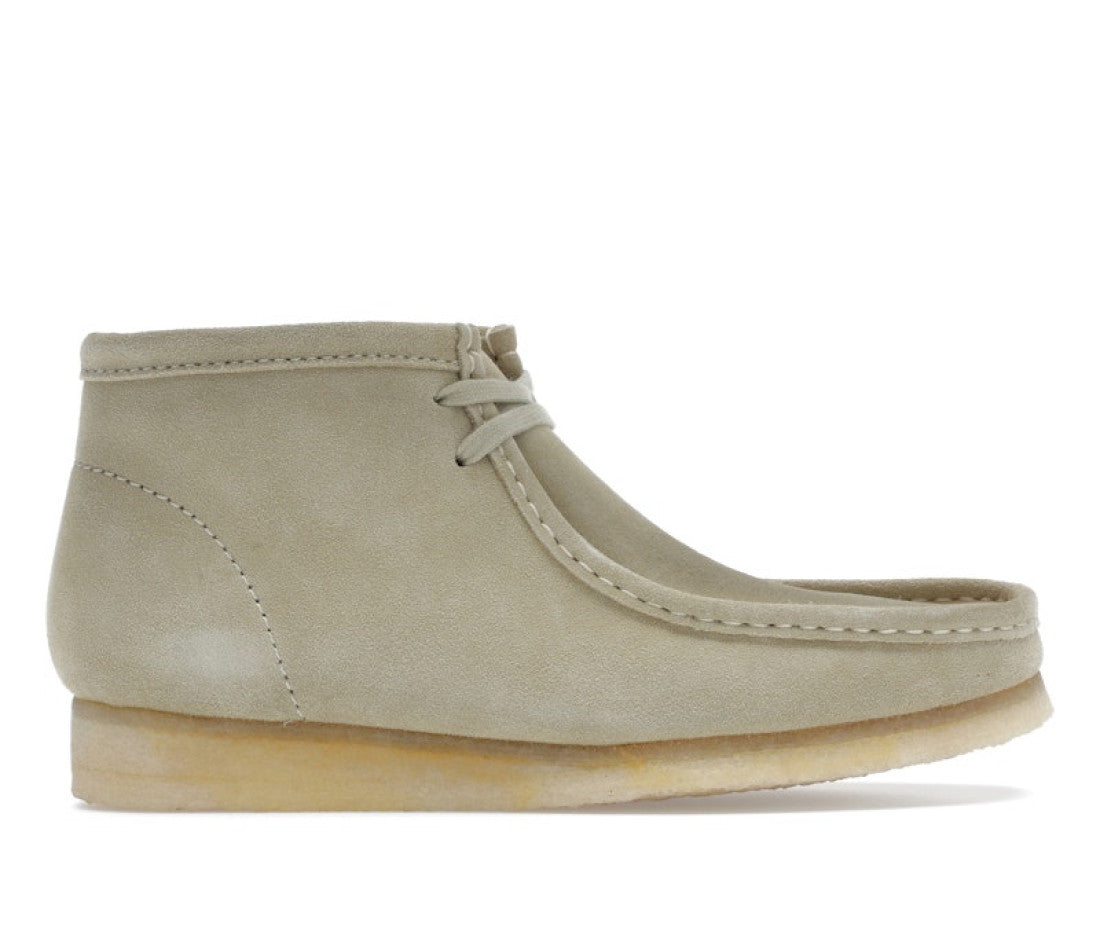
The crepe sole is the other distinguishing feature. This natural rubber, slightly beige and somewhat translucent, has a particular property: it softens upon contact with body heat and gradually adapts to the shape of the foot. Its cushioning is natural, with no added technology—just the physics of the material. On tile or parquet, it is silent. On wet concrete, caution is advised: the crepe sole is not designed for slippery surfaces.
Lacing is done with only two eyelets, giving it that characteristic minimal look. The low tongue, unpadded collar, and absence of heel reinforcement all contribute to a one-piece, almost sculpted silhouette. It exists in a low-cut version (Wallabee) and a boot version (Wallabee Boot), with the same level of construction in both cases.
How to Wear the Clarks Wallabee
The Wallabee has the unique characteristic of being a permanent transitional shoe between styles. It can be worn with a two-piece suit without looking out of place. It can be worn with a tracksuit without looking forced. That's rare.
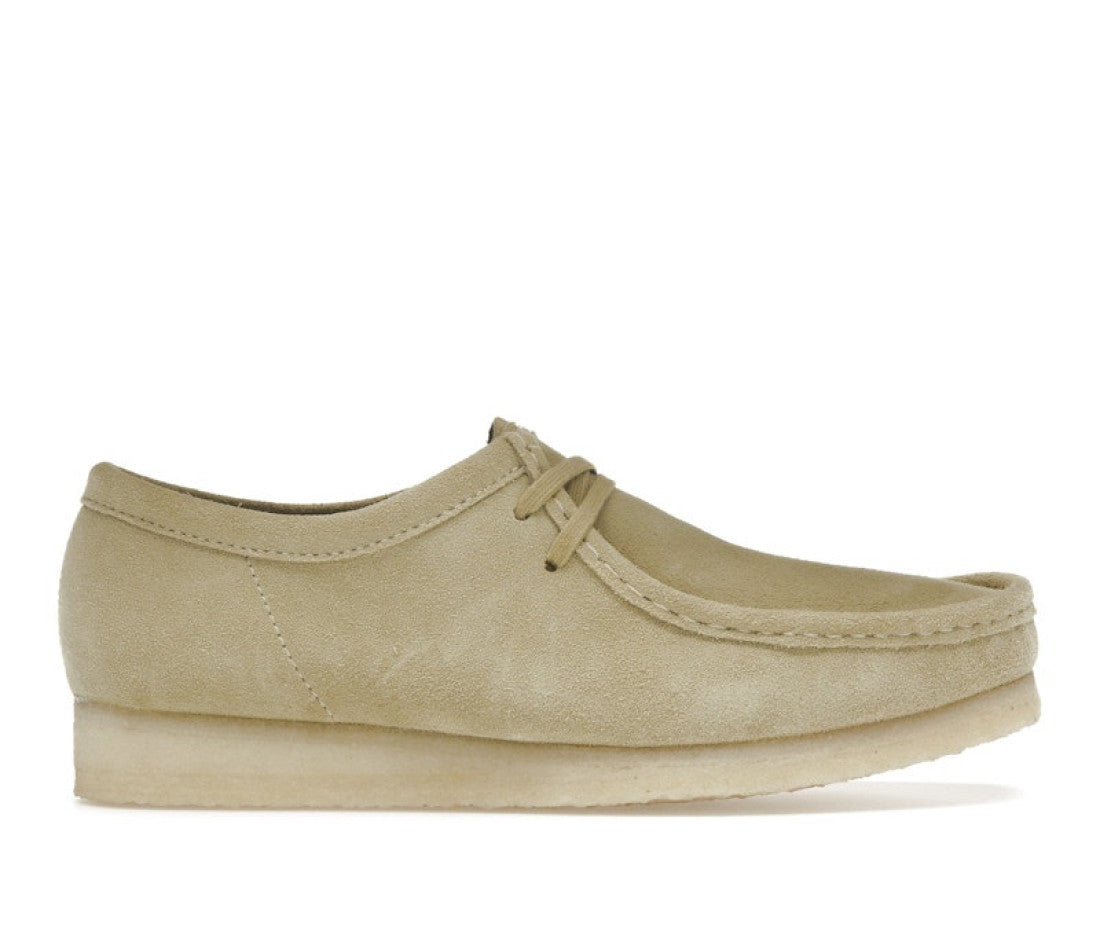
Natural colors like beeswax (a warm caramel brown), sand (a sandy beige), and maple (a rosy beige) combine with practically everything. Slim chinos or straight-leg jeans, a thick t-shirt, and a workwear jacket: the pair holds its own without effort. In black or burgundy, it takes on a more formal side that works well with deconstructed tailoring pieces or dark-dominant outfits.
Dancehall culture enthusiasts typically wear the Wallabee with baggy, high-cuffed jeans, visible white socks, and a fluid top. This is the original look, and it hasn't aged a bit. For other silhouettes in our catalog that share this same DNA between artisanal comfort and culture, find our entire selection of sneakers.
Why Buy Your Clarks Wallabee from The Last Step
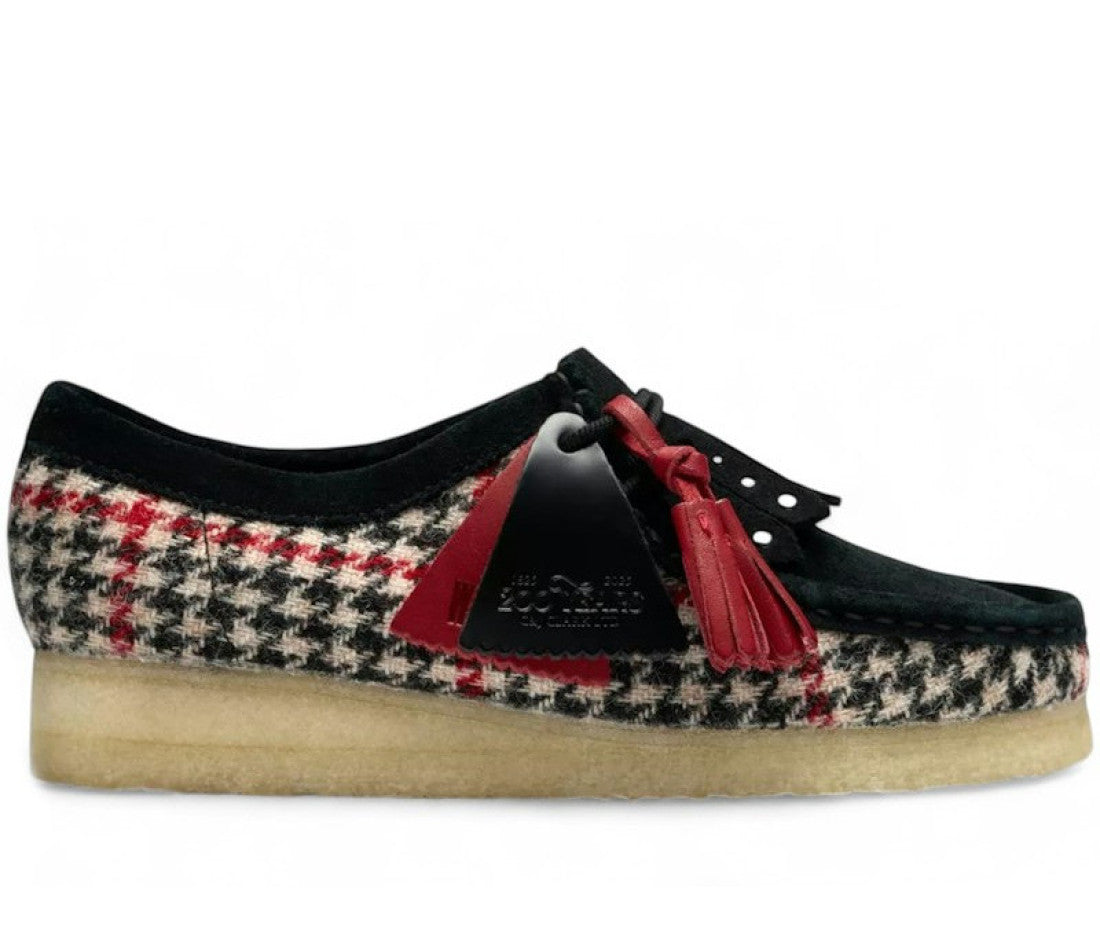
Some Wallabee colorways—collaborative editions with brands like Aimé Leon Dore, KITH, or Concepts—have generated waiting lists. OG versions in beeswax are regularly sold out in common sizes. The Last Step was founded in Toulouse in 2021 precisely for this type of situation: to offer pairs that the classic circuit no longer stocks.
More than 4,000 references available on thelaststep.fr, systematic authentication before shipping, and three physical stores in Toulouse, Biarritz, and Montpellier for customers who prefer to see the pair before taking it home.
FAQ — Clarks Wallabee
Why is the Clarks Wallabee so popular in hip-hop and dancehall?
The Wallabee was first adopted by the Jamaican reggae scene in the 1970s, where Clarks in general and the Wallabee in particular represented a sign of discreet sophistication within rude boy culture. This symbolism traveled to American hip-hop in the 1990s, notably via Wu-Tang Clan: Ghostface Killah, Raekwon, and other group members frequently wore the Wallabee, making it a pair associated with authenticity and a certain street refinement. Today, it remains an essential reference in both cultures, worn by connoisseurs and new generations alike.
Does the Clarks Wallabee fit true to size?
The Wallabee tends to run slightly large, especially during the first few wears, because the Moccasin construction and the absence of a rigid heel counter allow more freedom for the foot. Most wearers recommend going down half a size from their usual shoe size, especially for suede versions, which do not shrink when washed. For leather versions, the upper gradually softens and may feel more fitted after a few weeks of wear.
What is the Moccasin construction of the Wallabee?
Moccasin construction—also known as "moc toe"—is a shoemaking technique where the upper and the sole of the shoe are sewn together in a single continuous piece, without a glued midsole. The stitch line is visible all around the shoe, creating that characteristic line running from the toe to the sides. This construction gives the shoe natural flexibility, cushioning without added technology, and superior durability compared to a classic glued construction.
How do I care for a suede Clarks Wallabee?
Suede should be cared for with a suede brush (a soft-bristled brush for small stains, a rubber brush or special eraser for more pronounced stains). Avoid direct water—suede hates moisture and can stain or deform. A specific suede protector applied before the first wears will protect the surface well. The crepe sole can be cleaned with a slightly damp cloth; avoid abrasive products that alter its natural texture.