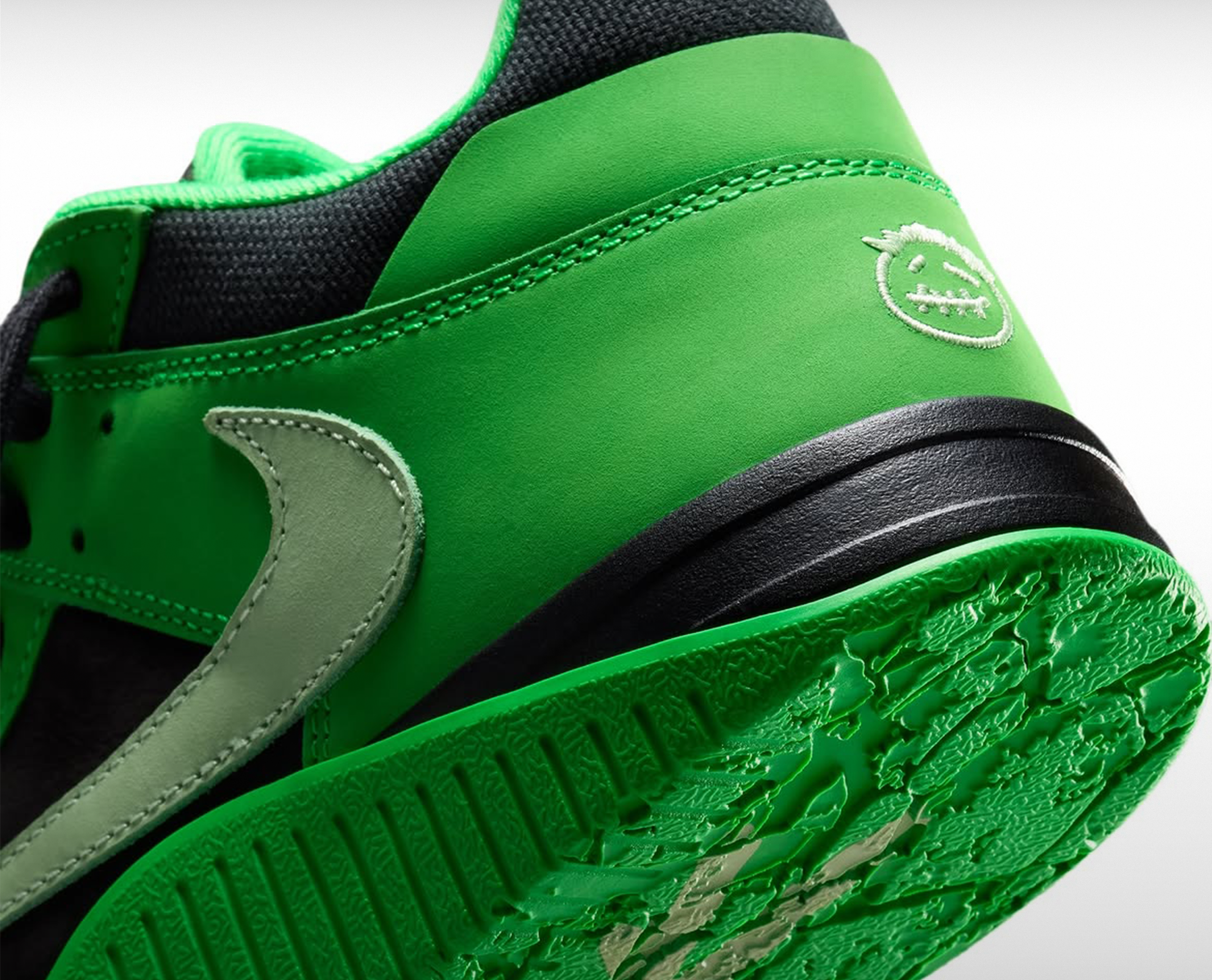

How do you remove odor from shoes?
You open the closet and immediately know which of the two pairs you wore yesterday. The internet then offers you cat litter, coffee grounds, tea bags. For a thirty-euro pair, why not. For a pair you waited three months for, there are some ideas you shouldn't follow.
This guide does two things: what really eliminates the odor, and what makes it go away, taking your pair with it.
Key takeaways in 30 seconds
· The cause is not your feet. It's bacteria proliferating in humidity. Remove the humidity, and the odor follows.
· Remove the insole; that's where the problem is concentrated. If you only do one thing, do this.
· What works: baking soda overnight, complete air drying, rotating pairs.
· What causes damage: radiators, tumble dryers, vinegar on suede, and washing machines for everything and anything.
Where the odor really comes from
Sweat, in itself, has almost no smell. What smells is the work of bacteria that naturally live on the skin: confined in a warm, humid, and dark space (the exact definition of a sneaker worn without socks in the middle of July), they multiply and break down sweat and dead skin. The odor is the byproduct of this digestion.
This mechanism changes how to attack the problem. Perfuming solves nothing; it superimposes two odors. The real target is humidity. And the material that retains the most humidity is the one that smells the most: in a sneaker, it's almost always the insole.
The four steps that work
Remove the insole
Foam, direct contact with the foot, no ventilation: it absorbs everything. Remove it and let it air dry separately overnight. And for a pair worn daily, a replacement insole costs a few euros and alone solves a good part of the cases we report.
Baking soda, overnight
Of all the so-called natural tips, this is the only one that is universally agreed upon. The reason is simple: baking soda absorbs moisture and neutralizes the acidic compounds responsible for the odor instead of masking them. 2 tablespoons in each shoe, overnight, then tap the pair over a trash can and vacuum up any residue.
Two caveats. On a mesh or knit upper, baking soda gets stuck in the weave, so it's better to put it in a thin tied sock rather than loose. And on a suede pair, avoid it completely: baking soda damages the fibers and can discolor the material. For these pairs, treat the insole separately, outside the shoe.
Dry thoroughly
A shoe stored wet is a shoe that will smell tomorrow. It's as simple as that. After sports or a downpour, leave the pair open, laces untied, tongue pulled out, in an airy room. Newspaper stuffed inside speeds things up, provided you change it as soon as it's saturated (otherwise you're keeping water in contact with the lining).
Rotate your pairs
A shoe needs about 24 hours to dry completely from the inside. Wearing the same pair every day never gives it that time. Alternating between 2 pairs is, by far, the most effective measure of the lot, and the only one that is free.
Grandma's tips to forget for valuable pairs
They are everywhere, and some work very well on thick leather city shoes. On a sneaker with a glued sole, it's another story.
|
The trick |
The problem |
|
Radiator or hairdryer |
Direct heat affects the sole's glues and can deform the foam. This is a classic cause of sole detachment. |
|
Tumble dryer |
Heat and repeated shocks. A pair can become warped, and the result is irreversible. |
|
Pure white vinegar |
An effective antibacterial, but it strips color from suede and any dyed pair. Its odor also settles into the foams. |
|
Freezer |
Cold numbs bacteria without eliminating them, and moisture remains. The odor returns with the heat of the foot. |
|
Cat litter or coffee grounds |
They absorb, but they dirty the interior, and coffee leaves a stain on light linings. |
|
Systematic washing machine |
Tolerated on canvas at 30°C, delicate cycle, no spinning. Never on smooth leather, suede, or nubuck. |
Regarding the washing machine, everything depends on the model, and the answer isn't simple. We've detailed the cases where it's acceptable and how to do it without damage in our guide how to wash sneakers in a machine without damaging them.
What changes depending on the material
|
Material |
The right approach |
|
Mesh and knit |
The material breathes, the odor mostly comes from the insole. Baking soda in a sachet and drying. |
|
Suede and nubuck |
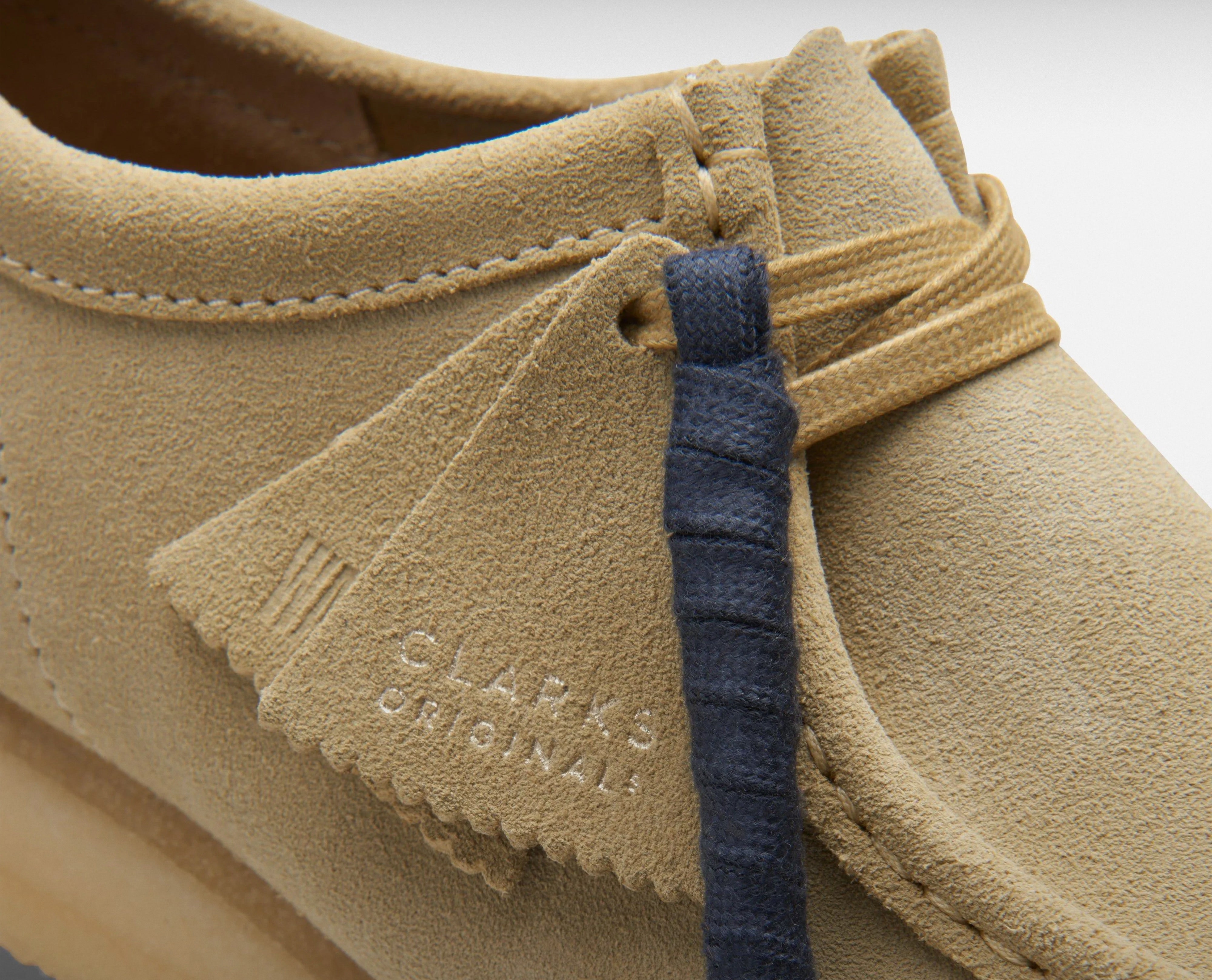
No liquids, no baking soda: powder aggresses the fibers and can discolor the material. Remove the insole and treat it separately, outside the shoe. The rest is done dry, method detailed in our guide to cleaning suede sneakers. |
|
Leather |
The interior can be disinfected with a barely damp cloth, then thoroughly dried. Leather does not tolerate stagnant water well. |
|
Canvas |
The most tolerant of all. This is the only case where machine washing is debatable: maximum 30°C, delicate cycle, spin cycle off, in a laundry bag. |
|
Shearling |
A special case, wool felts. We address this in the dedicated guide for cleaning UGGs. |
Persistent odor: removing shoe odor in three days
Does the pair still smell despite proper drying? The bacteria have settled in the foams, and in this case, you need to treat it in order, over 3 days, without skipping a step.
1. Day 1: insoles removed and hand-washed in lukewarm soapy water, then air-dried flat, never on a heat source.
2. Day 2: shoe interior wiped with a barely damp cloth, then baking soda in a sachet left overnight.
3. Day 3: vacuum up residue, replace insoles once perfectly dry, and allow 24 hours of rest before wearing the pair again.
If the odor persists, the problem is no longer the shoe: it's the original insole, permanently permeated. A new insole solves the issue for the price of a coffee.
Preventing the odor from returning
Two habits require less effort than any treatment. Cotton or merino wool socks instead of synthetic, which traps moisture against the foot. And dry, airy storage, never in a closed sports bag left in the trunk. Rotating pairs, however, remains the best of the three habits: it's the only one that costs nothing.
A word about deodorizing sprays, as the question always comes up. On a dry and clean shoe, an antibacterial spray prolongs the result. On a damp and dirty pair, it perfumes the problem. A nuance that changes everything.
How we verified this guide
The mechanism of odor, the action of baking soda, and the effects of heat on glues and foams are points of consensus in professional maintenance advice. We have deliberately excluded tips that circulate without demonstrated benefit for sneakers, and we highlight cases where the method depends on the material rather than providing a single rule. No product is cited by a commercial brand, and no results are quantified.
Your questions about shoe odor
How to quickly remove shoe odor?
The quickest way is to take out the insoles and leave the pair open in a ventilated room for a few hours. For overnight action, baking soda is the most reliable solution.
What is the best natural shoe deodorizer?
Baking soda, because it absorbs moisture instead of masking the odor. Other absorbent powders also work, but they tend to make the interior dirtier.
How to disinfect the inside of your shoes?
A barely damp cloth, then complete air drying. On a material that can withstand it, an antibacterial spray applied to a dry shoe completes the process.
How to remove odor from insoles?
Take them out, hand wash them in lukewarm soapy water, and air dry them flat. If the odor returns within a week, replace them: the foam is permeated.
Does putting your shoes in the freezer remove odor?
No. Cold puts bacteria to sleep, it doesn't eliminate them, and moisture remains in the foam. The odor returns as soon as the shoe warms up.
Why do my sneakers smell even when they are clean?
Because the cleaning focused on the exterior. The odor is lodged in the insole and the foam lining, which surface cleaning does not reach.
One last thing, to do tonight rather than next month: take out the insoles from the pair you wear most often and leave them open overnight. Ten seconds, free, and in most cases that's enough to remove shoe odor before it settles in. Our pairs are verified and authenticated by our teams, and pickup is available at our three stores, on the sneaker side.
Read more

How do UGGs fit?
This is the question that stalls the shopping cart at the last minute. Should I buy my usual size, or size down because "everyone says they run large"? Let's answer this right away. UGG shoes fit t...

Nike x One Piece: Everything You Need to Know About the Devil Fruit-Inspired Air Max Plus
A mysterious monolith appears in the middle of Harajuku. A few enigmatic symbols, no immediate explanation, and that was enough to attract the attention of fans. A few weeks later, Nike officially ...
Our Bestsellers